
Medical & Dental Oxygen Valves
Gas Cylinder Source supplies medical and dental oxygen cylinder valves explicitly designed for clinical, dental, hospital, outpatient, emergency, and healthcare environments where oxygen delivery is regulated, safety-critical, and patient-facing. This category includes CGA-compliant medical oxygen valves engineered for use on DOT-certified medical oxygen cylinders.
Explore Further (click here to read more):
All medical and dental oxygen valves offered by Gas Cylinder Source are manufactured to Compressed Gas Association standards and configured for medical oxygen service, most commonly using CGA-870 post valves. These valves are designed to ensure proper regulator compatibility, prevent cross-connection with industrial oxygen systems, and support safe, controlled oxygen delivery in patient care settings.
Medical and dental oxygen valves are a critical component of any oxygen delivery system. Proper valve selection supports regulatory compliance, infection control, pressure stability, and equipment compatibility. Gas Cylinder Source supports healthcare professionals and service providers in replacing damaged valves, refurbishing cylinders, or standardizing equipment across medical and dental facilities.
All valves in this category are intended for professional installation and service in accordance with DOT, CGA, FDA-related handling practices, and applicable healthcare regulations. Correct valve specification is essential for safe oxygen administration in medical and dental environments.
Sherwood medical oxygen valves deliver ultra-reliable performance in the most sensitive and demanding environments. Sherwood’s quality materials, stringent testing, and meticulous assembly deliver top performance in medical applications.
Gas Cylinder Source is proud to offer a wide variety of high-quality medical oxygen cylinder valves. Medical oxygen valves are available for steel and also aluminum medical O2 tanks, in post, post toggle, and post with gauge port configurations.
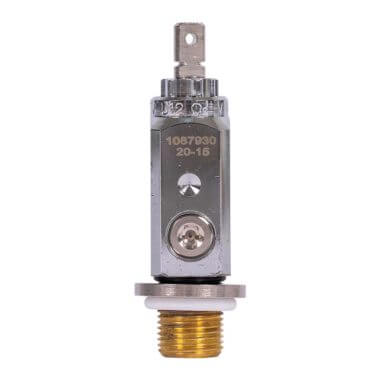
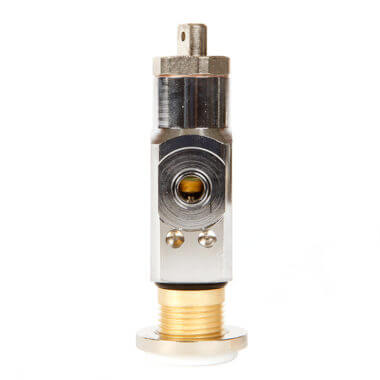
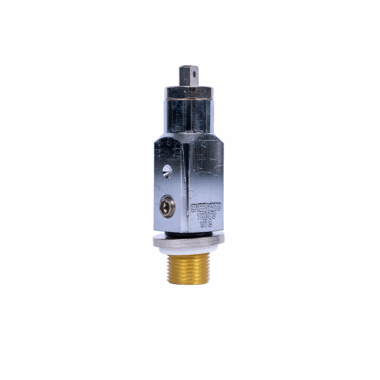
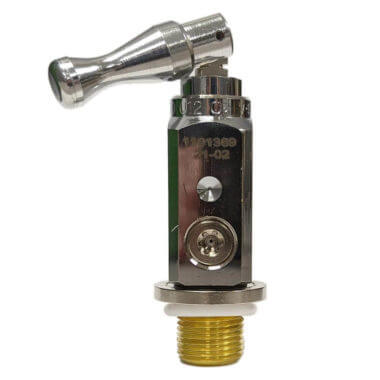
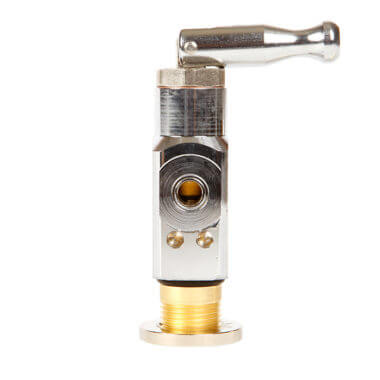
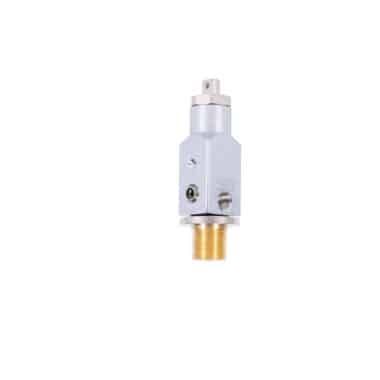
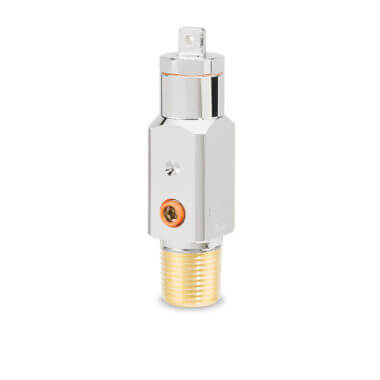
Medical Oxygen Post Valve CGA870 1/2″ NGT – Sherwood
$18.70 – $42.40Price range: $18.70 through $42.40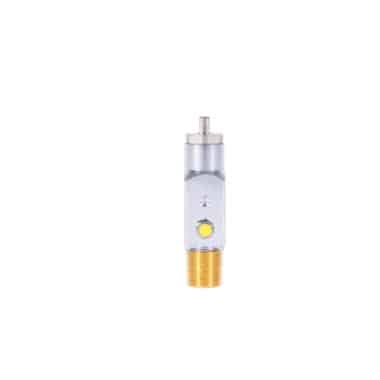
FREQUENTLY ASKED QUESTIONS
▼ What are medical and dental oxygen valves used for?
Medical and dental oxygen valves regulate oxygen flow from a cylinder to clinical regulators and patient delivery equipment.
They provide the connection point between the oxygen cylinder and devices such as flowmeters, regulators, and anesthesia systems. Proper valve function is essential for safe oxygen therapy.
These valves are designed exclusively for medical oxygen service.
▼ Are medical oxygen valves different from industrial oxygen valves?
Yes, medical oxygen valves are specifically designed for healthcare use and are not interchangeable with industrial oxygen valves.
Medical valves use different outlet configurations to prevent cross-connection with industrial regulators. This distinction is required to protect patient safety.
Using an industrial oxygen valve in a medical setting is not compliant.
▼ What CGA valve type is used for medical and dental oxygen?
Medical and dental oxygen cylinders most commonly use CGA-870 post valves.
CGA-870 valves are designed to work with yoke-style medical regulators and flowmeters. This configuration is standard in hospitals, clinics, and dental practices.
Matching the correct CGA valve is required for equipment compatibility.
▼ Can a medical oxygen valve be replaced?
Yes, medical oxygen valves can be replaced if they are damaged, leaking, or out of specification.
Valve replacement must be performed by qualified personnel in accordance with approved procedures. Improper replacement can compromise oxygen delivery and safety.
Replacement valves must meet CGA and DOT requirements for medical oxygen service.
▼ Are medical oxygen valves compatible with all oxygen cylinders?
Medical oxygen valves are compatible only with cylinders designed and labeled for medical oxygen service.
Cylinder specifications, valve threads, and pressure ratings must match exactly. Compatibility is essential for compliance and safe use.
Cylinder markings should always be verified before valve installation.
▼ Do medical oxygen valves require special cleanliness standards?
Yes, medical oxygen valves must meet strict cleanliness requirements.
Oxygen supports combustion, and contaminants such as oils or particulates pose serious safety risks. Medical valves are cleaned and prepared to meet oxygen service standards.
Cleanliness is a critical requirement in healthcare environments.
▼ What pressure ratings do medical oxygen valves support?
Medical oxygen valves are rated to meet the service pressure of medical oxygen cylinders.
Most medical oxygen cylinders operate at 2,000-2,300 PSI. Valves must be rated to ensure safe pressure containment.
The valve design and manufacturer specifications define pressure ratings.
▼ Are medical oxygen valves reusable?
Medical oxygen valves may be reused only if they pass inspection and remain within specification.
Valves exhibiting wear, contamination, or leakage must be replaced. Reuse decisions are typically made during cylinder maintenance or recertification.
Patient safety takes priority over reuse.
▼ How do I choose the correct medical or dental oxygen valve?
Choosing the correct valve depends on cylinder type, CGA standard, and regulator compatibility.
The valve must be explicitly rated for medical oxygen service and compatible with the facility’s equipment. Incorrect selection can result in unsafe connections.
When in doubt, requirements should be confirmed with the equipment manufacturer or the oxygen supplier.
▼ Who should buy medical and dental oxygen valves from Gas Cylinder Source?
Medical and dental oxygen valves from Gas Cylinder Source are intended for hospitals, dental offices, clinics, emergency services, and medical equipment service providers.
They are suitable for organizations that maintain medical oxygen cylinder fleets or refurbish equipment for compliant clinical use.
Gas Cylinder Source supports both individual valve purchases and larger orders for healthcare operations.