Search input
Search
0
Cart
$
0.00
0
No products in the cart.
Return To Shop
Cylinders
Acetylene
Argon
Breathing Air Cylinders
CO2 Carbon Dioxide
Helium
Medical & Dental
Mixed & Specialty Gas
Nitrogen
Nitrous Oxide
Oxygen
Propane / Alternative Fuels
Valves
Acetylene Valves
Breathing Air
CO2 Carbon Dioxide
Hydrogen
Medical & Dental
Nitrogen | Argon | Helium | Neon
Nitrous Oxide
Oxygen
Propane / Alternate Fuels
Sulfur Hexafluoride
Fire Suppression
Fire Extinguisher Cabinets
Fire Extinguishers
Fire Extinguisher Powder
Fire Extinguisher Valves & Parts
Parts & Accessories
Accessories & Fittings
Acetylene Felts & Screens
Caps & Plugs
Handles & Handwheels
O-Rings
Regulators
Sealants & Lubricants
Specialty
Helium Balloon Kits
Industrial Sprayers
Info
Contact
Your Account
Frequently Asked Questions
Shipping, Returns, and Exchanges
Terms and Conditions, Notices, Disclaimers, and Restrictions
Privacy policy
Search input
Search
Cylinders
Acetylene
Argon
Breathing Air Cylinders
CO2 Carbon Dioxide
Helium
Medical & Dental
Mixed & Specialty Gas
Nitrogen
Nitrous Oxide
Oxygen
Propane / Alternative Fuels
Valves
Acetylene Valves
Breathing Air
CO2 Carbon Dioxide
Hydrogen
Medical & Dental
Nitrogen | Argon | Helium | Neon
Nitrous Oxide
Oxygen
Propane / Alternate Fuels
Sulfur Hexafluoride
Fire Suppression
Fire Extinguisher Cabinets
Fire Extinguishers
Fire Extinguisher Powder
Fire Extinguisher Valves & Parts
Parts & Accessories
Accessories & Fittings
Acetylene Felts & Screens
Caps & Plugs
Handles & Handwheels
O-Rings
Regulators
Sealants & Lubricants
Specialty
Helium Balloon Kits
Industrial Sprayers
Info
Contact
Your Account
Frequently Asked Questions
Shipping, Returns, and Exchanges
Terms and Conditions, Notices, Disclaimers, and Restrictions
Privacy policy
0
Cart
$
0.00
0
Search input
Search
250 Cubic Foot Tank
Default sorting
Sort by popularity
Sort by average rating
Sort by latest
Sort by price: low to high
Sort by price: high to low
Sale
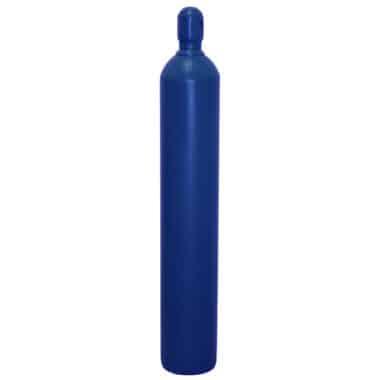
New 250 cuft Steel Nitrous Cylinder
$
324.90
Original price was: $324.90.
$
296.90
Current price is: $296.90.
Sale
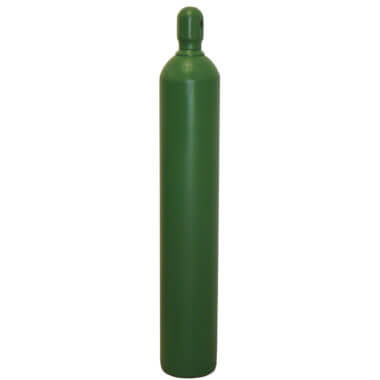
New 250 cuft Steel Oxygen Cylinder
$
299.80
Original price was: $299.80.
$
274.80
Current price is: $274.80.