
80 Cubic Foot Tank
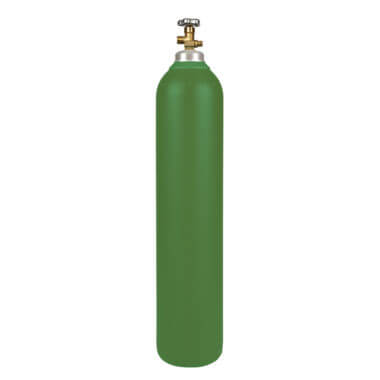
New 80 cuft Steel Oxygen Cylinder
FREQUENTLY ASKED QUESTIONS
▼ What is the New 80 cu ft Steel Oxygen Cylinder best used for?
This 80 cu ft steel oxygen cylinder is designed for industrial oxygen service in welding, cutting, fabrication, and general shop applications.
With a nominal capacity of 80 cubic feet at standard conditions and a service pressure of 2216 PSI, it provides a practical mid-size solution for shops that need a consistent oxygen supply without stepping up to large stationary cylinders. The DOT-3AA steel construction offers durability for daily use in fabrication environments.
It is commonly used alongside acetylene cylinders in oxy-fuel welding and cutting setups. Customers who want to own their cylinders rather than pay ongoing rental fees often choose this size for flexibility and cost control.
▼ Who should purchase an 80 cu ft oxygen cylinder?
This cylinder is a strong fit for welding shops, mobile welders, maintenance departments, and industrial facilities that require a reliable oxygen supply.
The 80 cu ft size balances portability and capacity. It is large enough to reduce frequent refill trips but still manageable for transport in service vehicles or between workstations. Fabricators, farm repair operations, and small manufacturing businesses frequently select this size.
Customers are responsible for confirming that a CGA540 valve configuration matches their regulator and intended oxygen service.
▼ What are the key specifications of this 80 cu ft steel oxygen cylinder?
This cylinder features approximately 80 cu ft nominal capacity, 2216 PSI service pressure, DOT-3AA specification, and a CGA540 valve outlet for oxygen service.
Core specifications include:
- Nominal Capacity: 80 cubic feet (at standard temperature and pressure)
- Service Pressure: 2216 PSI
- Specification: DOT-3AA high-pressure steel
- Valve Type: CGA540 oxygen valve
- Material: High-strength steel
- Certification: DOT-compliant and stamped
Cylinders may be sourced from approved manufacturers; dimensions and exterior finish may vary slightly within standard tolerances.
▼ Is this cylinder DOT certified and compliant?
Yes. This cylinder is manufactured and stamped in accordance with current DOT requirements for high-pressure steel cylinders.
The DOT-3AA stamp confirms that it meets U.S. Department of Transportation specifications for refillable high-pressure service. It is suitable for oxygen service when filled by a qualified gas supplier.
Always verify the most recent hydrostatic test date stamped on the cylinder shoulder. Oxygen cylinders typically follow a 10-year hydrostatic test interval, unless otherwise marked.
▼ What valve connection does this cylinder use?
This cylinder is equipped with a CGA540 valve, the standard outlet connection for industrial oxygen service in the United States.
The CGA540 fitting ensures compatibility with most oxygen regulators designed for welding and cutting applications. It is not compatible with inert gas regulators (CGA580) or CO2 regulators (CGA320).
Customers must confirm regulator compatibility before connecting equipment. Never modify valve outlets or use improper adapters.
▼ How long will an 80 cu ft oxygen cylinder last?
An 80 cu ft oxygen cylinder provides moderate runtime for welding and cutting applications, depending on flow rate and torch settings.
For light-duty welding, it can support multiple sessions before a refill. For heavy cutting operations with high oxygen flow, usage time will decrease accordingly. Runtime depends on tip size, pressure settings, and duty cycle.
Shops using oxygen daily may consider pairing this size with a second cylinder to avoid downtime during refills.
▼ Is an 80 cu ft cylinder suitable for mobile welding setups?
Yes. The 80 cu ft size offers a practical balance between capacity and portability for service trucks and field work.
While heavier than aluminum alternatives, steel construction provides rugged durability in demanding environments. Many mobile welders choose this size because it reduces refill frequency compared to smaller cylinders while remaining manageable for transport.
Always secure cylinders upright during transport and use protective caps when moving them.
▼ Can this cylinder be used for medical oxygen?
No. This cylinder is intended for industrial oxygen service with a CGA540 valve.
Medical oxygen cylinders typically use CGA870 (post or toggle) valve configurations and must meet additional regulatory and prescription requirements. This model is designed for welding and industrial applications.
Customers requiring medical oxygen service should select a cylinder specifically configured for medical use.
▼ Does this oxygen cylinder ship full?
No. All cylinders ship empty for safety and regulatory compliance.
Federal transportation regulations prohibit shipping filled high-pressure oxygen cylinders via standard carriers. Customers must have the cylinder filled by a qualified local gas supplier that supports oxygen service at the rated 2216 PSI pressure.
Never attempt to fill a cylinder with a gas for which it is not rated.
▼ How heavy is an 80 cu ft steel oxygen cylinder?
An 80 cu ft steel oxygen cylinder is substantially heavier than aluminum alternatives but offers increased durability.
Tare weight can vary slightly by manufacturer, but steel construction typically results in a rugged, impact-resistant cylinder suited for stationary or shop environments. Customers prioritizing lighter weight for frequent handling may consider aluminum options.
▼ How should this oxygen cylinder be stored?
Oxygen cylinders must be stored upright, secured, and away from combustible materials.
Store in a well-ventilated area, protected from temperatures exceeding 125°F (51.7°C). Keep valve protection caps in place when not in use. Oxygen supports combustion; never allow oil or grease to contact the valve outlet.
Always follow OSHA guidelines and local fire codes for the storage of compressed gas.
▼ Why choose an 80 cu ft cylinder instead of a smaller size?
The 80 cu ft size reduces refill frequency while remaining easier to transport than large 125–300 cu ft cylinders.
Smaller cylinders (20–40 cu ft) require more frequent refills, which can increase downtime. Larger cylinders offer longer runtime but add weight and space requirements.
This size is often selected as a primary shop cylinder or as a balanced option for mobile welding.
▼ Is this cylinder better than renting from a local supplier?
Owning this cylinder eliminates recurring monthly rental fees commonly charged by traditional gas distributors.
Businesses that maintain multiple cylinders can reduce long-term operating costs by purchasing instead of renting. Ownership also provides flexibility in selecting local fill providers.
Customers should confirm that their local gas supplier will fill customer-owned cylinders.
▼ Can this cylinder be exchanged locally?
Policies vary by gas supplier.
Some distributors exchange only their branded rental cylinders, while others will refill or exchange customer-owned DOT-compliant cylinders. Contact your local supplier before purchasing if exchange convenience is a priority.
▼ How does steel compare to aluminum for oxygen cylinders?
Steel cylinders offer lower initial cost and high durability, while aluminum cylinders are lighter and corrosion-resistant.
Steel is well-suited for stationary shop environments. Aluminum is advantageous for frequent transport and humid conditions. Both must meet DOT standards and comply with the required hydrostatic test intervals.
Material selection should reflect handling frequency, environment, and budget considerations.
▼ How does the 80 cu ft size compare to 125 cu ft or larger cylinders?
An 80 cu ft cylinder provides moderate runtime with improved portability compared to 125 cu ft, 150 cu ft, or 250+ cu ft options.
Larger cylinders reduce refill frequency but require more space and are significantly heavier. Shops with high daily oxygen consumption may benefit from larger capacities, while mobile users often prefer the 80 cu ft size.