All Products
[rev_slider alias="shop"]

FREQUENTLY ASKED QUESTIONS

What is the 100 lb Steel Propane Cylinder designed for?

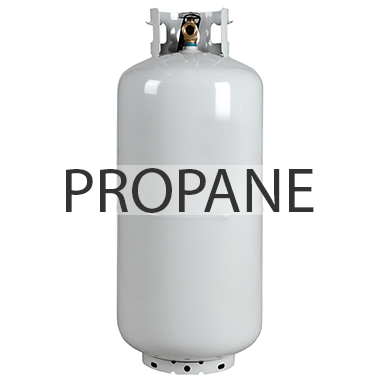
The 100 lb steel propane cylinder is a DOT-compliant vapor-service LP cylinder designed for stationary residential, commercial, agricultural, and light industrial propane applications.

This cylinder provides high-capacity propane storage for users who need more runtime than a standard 20 lb or 33 lb tank. It is commonly used for residential heating, construction heaters, cooking equipment, generators, and agricultural equipment.

Its steel construction offers durability for outdoor placement, and it is designed for vapor withdrawal service, meaning propane is drawn off in vapor form for standard regulator-fed systems.

As with all propane cylinders sold by Gas Cylinder Source, the unit ships empty and must be filled by a qualified propane supplier in accordance with local codes and regulations.

Who should use a 100 lb propane cylinder instead of a smaller tank?

A 100 lb propane cylinder is best suited for users who require extended runtime and fewer refills compared to 20 lb or 30 lb cylinders.

This size is common for:

  • Residential backup heating
  • Construction site heating
  • Food trucks and mobile kitchens
  • Agricultural heaters
  • Temporary propane-fueled equipment

For customers operating heaters or appliances continuously, the 100 lb size reduces refill frequency and downtime. It is also a practical ownership solution for businesses that want to avoid ongoing rental fees from traditional suppliers.

How much propane does a 100 lb cylinder actually hold?

A 100 lb propane cylinder holds approximately 23.6 gallons of propane when filled to the standard 80% capacity limit.

Propane cylinders are never filled to 100% liquid capacity. The 80% rule allows for thermal expansion, as required by safety codes. In practical terms, this capacity supports extended runtime for high-BTU heaters, generators, and cooking systems.

Exact fill levels may vary slightly depending on local supplier practices and temperature conditions.

Is this cylinder designed for vapor or liquid propane withdrawal?

This 100 lb steel propane cylinder is designed for vapor withdrawal service.

That means propane is drawn off as vapor from the top of the cylinder and supplied to appliances via a regulator. It is not equipped with a dip tube for liquid withdrawal applications.

Customers requiring liquid propane service (such as certain forklifts or specialized burners) should confirm they select a cylinder designed for liquid withdrawal.

What is the service pressure rating of this propane cylinder?

This cylinder is manufactured in accordance with DOT specifications for LP service, typically rated at 240 PSI service pressure under DOT-4BA or equivalent standards.

Propane vapor pressure varies with temperature and typically operates well below the maximum service rating. The cylinder is engineered to safely contain propane under normal environmental conditions when used as intended.

Always store and operate cylinders in well-ventilated areas and never expose them to temperatures exceeding 125°F (51.7°C).

What material is the 100 lb propane cylinder made from?

The cylinder is constructed from welded high-strength steel.

Steel offers durability and impact resistance, making it a strong choice for stationary outdoor use. While heavier than aluminum alternatives, steel provides long-term reliability when properly maintained and protected from corrosion.

Customers should store the cylinder upright on a stable surface and inspect it periodically for surface rust or damage.

What valve type does this 100 lb propane cylinder use?

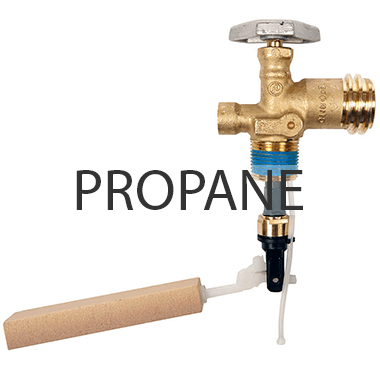
This cylinder is equipped with a propane valve designed for standard LP applications, commonly featuring a POL-style outlet connection.

Some models may include OPD (Overfill Prevention Device) features depending on manufacturing specifications and current regulatory requirements.

Customers must confirm that their regulator and hose assembly match the valve outlet configuration before installation.

Does this cylinder include an Overfill Prevention Device (OPD)?

Most modern 100 lb propane cylinders are manufactured with compliant overfill protection features where required by regulation.

However, OPD requirements differ from those of smaller grill-style cylinders. Commercial 100 lb cylinders may follow different valve design standards.

It is the customer’s responsibility to verify that the cylinder configuration meets local code requirements for the intended installation.

What are the approximate dimensions and weight?

A typical 100 lb steel propane cylinder measures approximately:

  • Diameter: ~14–15 inches
  • Height: ~48 inches (including valve)
  • Tare weight: approximately 65–75 lbs (empty)

Exact dimensions and tare weight may vary slightly by manufacturer, but all cylinders meet the same DOT certification standards.

What are common applications for a 100 lb propane cylinder?

Common applications include:

  • Residential space heaters
  • Construction and jobsite heaters
  • Backup generators
  • Commercial cooking equipment
  • Agricultural heating systems
  • Food trucks and mobile kitchens

This size is especially practical when equipment requires a sustained propane supply, but bulk tanks are not feasible.

Can this cylinder be used for residential home heating?

Yes, a 100 lb propane cylinder is commonly used for supplemental or temporary residential heating.

It is often connected to wall-mounted heaters, garage heaters, or emergency heating systems. For full-home heating systems, larger bulk tanks are typically more appropriate.

Installation must comply with local propane storage and setback regulations.

Is this cylinder suitable for food trucks or mobile kitchens?

Yes, 100 lb propane cylinders are frequently used in food trucks and mobile catering applications.

The higher capacity supports extended cooking operations without frequent refills. However, local fire codes may regulate maximum cylinder size and mounting requirements for mobile units.

Always verify local fire and safety regulations before installation.

Is this 100 lb propane cylinder DOT certified?

Yes. The cylinder meets current DOT specifications for propane service.

DOT certification ensures the cylinder meets federal transportation and structural standards. Stamping on the cylinder collar indicates the manufacturing or recertification date.

Customers should confirm recertification requirements with their propane supplier when the cylinder reaches its inspection interval.

How often does a 100 lb propane cylinder require recertification?

Most 100 lb propane cylinders require recertification 10 years after manufacture, followed by periodic requalification in accordance with DOT guidelines.

Hydrostatic testing or approved visual inspection methods may be used, depending on local regulations and cylinder condition.

Always check the date stamp on the cylinder collar and consult a qualified testing facility for requalification.

Does the cylinder ship filled with propane?

No. All propane cylinders ship empty for safety and regulatory compliance.

Customers must have the cylinder filled by a licensed propane supplier. Filled propane cylinders cannot be shipped via standard commercial carriers.

How does this compare to rental propane cylinders from suppliers like Airgas or Linde?

Unlike rental programs from companies such as Airgas or Linde, this cylinder is purchased outright, eliminating ongoing rental fees.

For businesses operating multiple cylinders, ownership can significantly reduce long-term operating costs. However, customers are responsible for maintenance, recertification, and compliance once purchased.

Gas Cylinder Source focuses on cylinder ownership for businesses that want asset control and cost predictability.

Is a 100 lb propane cylinder better than using multiple 20 lb tanks?

A single 100 lb cylinder provides longer runtime and fewer changeovers compared to multiple 20 lb cylinders. This reduces downtime and handling frequency.

However, 20 lb cylinders may be more portable and easier to transport for certain users.

The correct choice depends on runtime requirements and mobility needs.

What should customers verify before purchasing?

Before purchasing, customers should confirm:

  • Required vapor vs. liquid service
  • Regulator compatibility
  • Local storage and setback requirements
  • Mounting and securing method
  • Recertification and inspection rules in their area

It is the customer’s responsibility to ensure the cylinder configuration matches the intended gas service and installation.