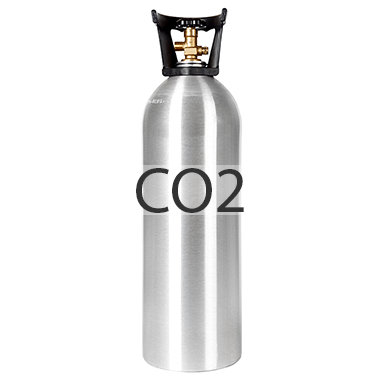
The New 75 lb Steel CO₂ Cylinder is a high-capacity carbon dioxide cylinder designed for beverage dispensing, hydroponics, industrial applications, and other CO₂ systems requiring extended runtime between fills.
With a 75 lb CO₂ capacity, this cylinder supports high-demand operations where smaller 20 lb or 50 lb tanks require frequent refills. The CGA320 valve outlet is standard for CO₂ service, ensuring compatibility with most beverage regulators and CO₂ delivery systems.
This size is commonly selected by breweries, bars, restaurants, indoor growing facilities, and industrial users who want to reduce refill frequency and maintain a stable CO₂ supply.

A 75 lb CO₂ cylinder is best suited for businesses with steady, high-volume CO₂ demand.
Compared to 20 lb or 50 lb cylinders, a 75 lb size reduces downtime associated with refilling and cylinder exchanges. It is ideal for multi-tap draft systems, commercial beverage carbonation, hydroponic grow rooms, and industrial CO₂ use.
For lower-volume or mobile setups, a smaller aluminum cylinder may be easier to transport. For stationary, high-demand systems, this steel 75 lb option provides longer service intervals and lower cost per pound of stored CO₂.
A 75 lb CO₂ cylinder can last significantly longer than smaller cylinders, depending on usage rate and system demand.
In beverage applications, runtime depends on the number of taps, dispensing pressure, and carbonation volume. In hydroponics, duration depends on the grow room size and injection frequency. Because this cylinder holds 75 pounds of liquid CO₂, it offers extended operating time compared to 20-lb or 50-lb cylinders.
Actual duration varies by application, but the primary advantage is reduced refill frequency and improved operational continuity.
This cylinder is built to standard CO₂ service pressure specifications and manufactured in compliance with applicable DOT regulations.
CO₂ cylinders are typically rated around 1800 PSI at 70°F, though internal pressure varies with temperature. The cylinder is constructed from high-strength steel and stamped with the appropriate DOT specification and hydrostatic test markings.
As with all compressed gas cylinders, temperature exposure should not exceed 125°F (51.7°C), and cylinders must be handled and stored upright and secured.
Yes. Steel is a durable and economical choice for high-capacity, stationary CO₂ applications.
Steel cylinders provide rugged construction and are well-suited for restaurant back rooms, brewery installations, grow facilities, and industrial settings. While heavier than aluminum, steel offers a lower upfront cost and a long service life when properly maintained.
For portable applications where weight is critical, aluminum may be preferred. For stationary systems prioritizing durability and value, steel is a practical solution.
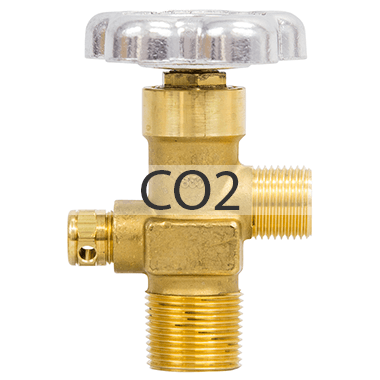
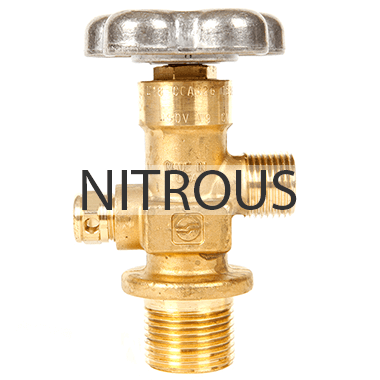
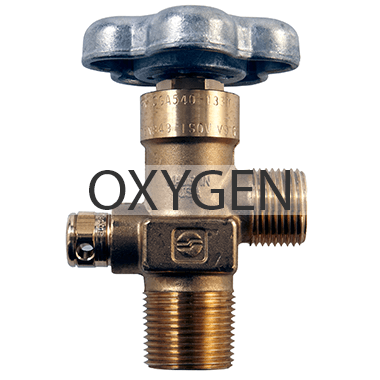
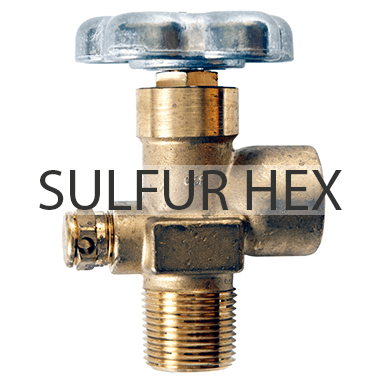
Yes. The New 75 lb Steel CO₂ Cylinder features a CGA320 valve outlet, the industry standard for CO₂ service.
CGA320 valves are compatible with most CO₂ beverage regulators, hydroponic regulators, and industrial CO₂ control systems. Always confirm regulator compatibility before installation.
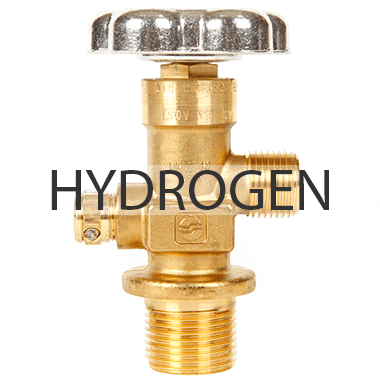
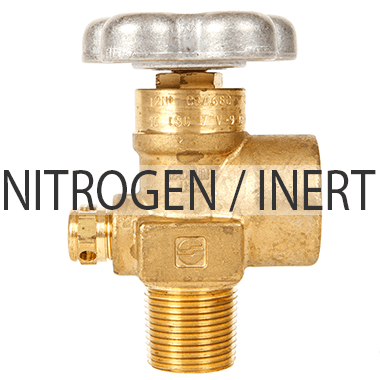
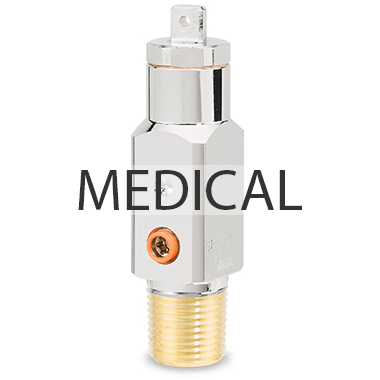
It is the customer’s responsibility to verify that the valve configuration matches the intended gas and regulator type.
Yes. This cylinder is commonly used in commercial beverage dispensing systems.
The CGA320 valve is standard for draft beer systems, soda fountains, and other carbonation applications. Its larger capacity reduces interruptions during refills in high-volume environments such as bars, restaurants, and breweries.
Cylinders ship empty and must be filled by a qualified gas supplier with beverage-grade CO₂.
Yes. A 75 lb CO₂ cylinder is frequently used in indoor agriculture and hydroponic grow rooms.
The larger capacity supports consistent CO₂ supplementation without frequent refills. Steel construction is suitable for controlled indoor environments where the cylinder remains stationary.
Growers should ensure proper regulator setup and follow all safety guidelines for CO₂ enrichment.
CO₂ is commonly used as a shielding gas in MIG welding, either pure or blended.
This cylinder may be suitable for welding operations if configured correctly and filled with appropriate welding-grade CO₂. Users should confirm regulator compatibility and ensure the cylinder is filled in accordance with the intended welding gas specification.
Always verify gas type and blend requirements before filling.
When full, a 75 lb CO₂ cylinder weighs significantly more than its empty tare weight due to the added CO₂.
Because of its size and weight, this cylinder is generally intended for stationary use. Proper lifting practices and securing methods should always be followed during transport and installation.
Cylinders must be secured upright to prevent tipping and valve damage.
No. All cylinders ship empty for safety and regulatory compliance.
Customers must have the cylinder filled by a qualified gas supplier capable of filling CO₂ cylinders to the appropriate service pressure. Shipping filled cylinders via common carriers is not permitted.
This cylinder meets current DOT specifications and includes appropriate hydrostatic test markings.
Gas Cylinder Source supplies cylinders with recent manufacture or recertification dates to maximize service life. Cylinders are compliant with U.S. transportation regulations for compressed gases.
Users should follow the required recertification intervals, typically every 5 years for CO₂ cylinders, as stamped on the cylinder shoulder.
Owning a CO₂ cylinder eliminates recurring rental or lease fees charged by traditional gas suppliers.
For businesses with ongoing CO₂ use, ownership can reduce long-term operating costs and provide greater control over equipment. This is especially valuable for restaurants, breweries, growers, and industrial users managing multiple cylinders.
Customers are responsible for maintenance, testing, and compliance once the cylinder is in service.
A 75 lb cylinder provides longer runtime and fewer refills than a 50 lb cylinder.
While both sizes are common in commercial environments, the 75 lb option is better suited for higher-demand systems. The tradeoff is increased size and weight, making it less portable.
Selection depends on space availability, usage rate, and refill logistics.
This standard configuration does not include a siphon tube unless specifically selected.
Siphon tube (dip tube) cylinders are used for liquid CO₂ withdrawal applications such as refilling smaller cylinders. Most beverage and grow operations require standard vapor withdrawal (non-siphon) cylinders.
Customers must confirm the correct configuration before ordering.
This cylinder must be handled, stored, and filled in accordance with DOT regulations and applicable local codes.
Key safety practices include:
Never modify the valve or fill the cylinder with a gas for which it is not rated.
CO₂ cylinders typically require hydrostatic retesting every 5 years, as indicated by the stamped date on the cylinder.
Testing must be performed by a certified facility. Using a cylinder overdue for testing is unsafe and noncompliant with DOT regulations.
Yes. A 75 lb CO₂ cylinder supports high-volume draft systems with reduced refill frequency.
This size is commonly used in bars, restaurants, and breweries operating multiple taps. The CGA320 valve ensures compatibility with standard beverage regulators. Its larger capacity helps maintain consistent pressure across busy service periods.