
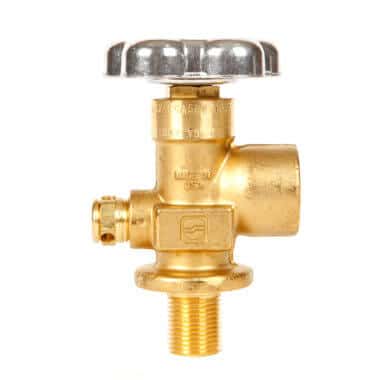
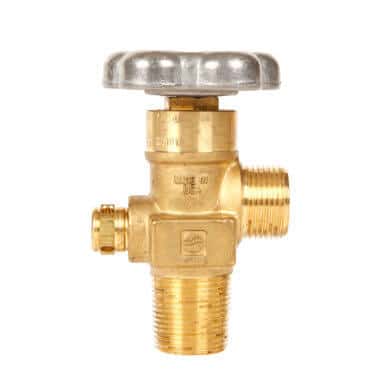
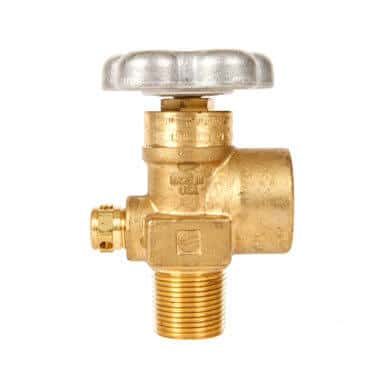
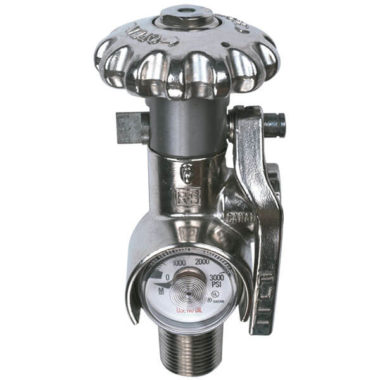
Nitrogen | Argon | Helium | Neon Valves


FREQUENTLY ASKED QUESTIONS
▼ What are argon, helium, neon, and nitrogen inert gas valves used for?
Argon, helium, neon, and nitrogen valves are used to control the flow of inert gases from a cylinder to regulators and equipment.
They act as the interface between the pressurized gas inside the cylinder and downstream systems. Proper valve function ensures safe and consistent gas delivery.
These valves are designed specifically for inert gas service.
▼ Are inert gas valves gas-specific?
Yes, inert gas valves are gas-specific and must match the intended gas and application.
While some inert gases share similar CGA outlet standards, valve selection still depends on gas type, pressure rating, and regulator compatibility. This prevents incorrect connections.
Using the correct valve is a core requirement for industry safety.
▼ What CGA valve types are commonly used for argon, helium, neon, and nitrogen?
Argon, helium, neon, and nitrogen cylinders commonly use CGA-580 valves in many industrial applications.
CGA-580 is widely accepted for inert gas service, particularly in welding and industrial environments. Other valve configurations may be used for specialty or high-purity applications.
Valve selection should always be confirmed based on cylinder markings and equipment requirements.
▼ Can an inert gas valve be replaced?
Yes, inert gas valves can be replaced if they are damaged, leaking, or out of specification.
Replacement must be performed by qualified personnel in accordance with approved procedures. Improper valve installation can compromise safety and gas delivery.
Replacement valves must meet CGA and DOT requirements for inert gas service.
▼ Are inert gas valves compatible with all inert gas cylinders?
Inert gas valves are compatible only with cylinders designed for inert gas service and that match the specifications.
The thread type, pressure rating, and outlet standard must align between the valve and the cylinder. Compatibility is essential for safe and compliant operation.
Cylinder markings should always be verified before valve installation.
▼ What pressure ratings do inert gas valves support?
Inert gas valves are rated for the service pressure of the cylinders on which they are installed.
Many industrial inert gas cylinders operate at 1,800-3,000 PSI. Valves must be rated equal to or higher than the cylinder’s service pressure.
The valve design and manufacturer documentation define pressure ratings.
▼ What materials are inert gas valves made from?
Inert gas valves are typically made from brass or alloys suitable for non-reactive gas service.
Material selection ensures durability, corrosion resistance, and compatibility with inert gases. High-purity applications may require additional material considerations.
Valve materials are selected in accordance with CGA standards and application requirements.
▼ Are inert gas valves reusable?
Inert gas valves may be reused only if they remain within specification and pass inspection.
Valves exhibiting wear, leakage, or thread damage should be replaced. Reuse decisions are commonly made during cylinder maintenance or recertification.
Safety and compliance take precedence over reuse.
▼ How do I choose the correct inert gas valve?
Choosing the correct inert gas valve depends on gas type, CGA standard, cylinder pressure, and regulator compatibility.
The valve must match both the cylinder specification and the intended application. Incorrect selection can lead to unsafe connections or filling refusal.
When uncertain, customers should consult their gas supplier or equipment manufacturer.
▼ Who should buy argon, helium, neon, and nitrogen valves from Gas Cylinder Source?
Argon, helium, neon, and nitrogen valves from Gas Cylinder Source are intended for welding shops, laboratories, manufacturers, HVAC professionals, and industrial service providers.
They are suitable for organizations that maintain inert gas cylinder fleets or refurbish equipment for compliant service.
Gas Cylinder Source supports both single-valve purchases and larger quantity orders for professional operations.