
Medical & Dental Cylinders
FREQUENTLY ASKED QUESTIONS
▼What are medical and dental gas cylinders used for?
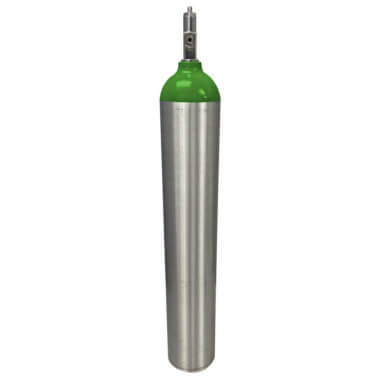
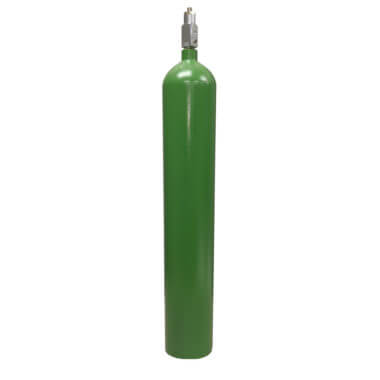
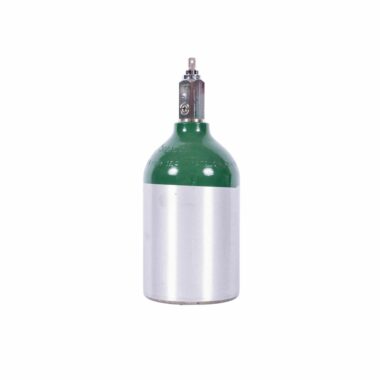
Medical and dental gas cylinders store and supply regulated gases, such as oxygen and nitrous oxide, in healthcare and clinical settings.
These cylinders support patient care in medical offices, dental practices, veterinary clinics, and home healthcare environments. They are designed to integrate with medical-grade regulators and delivery equipment.
Their construction, valve type, and certification distinguish them from industrial gas cylinders used in non-clinical applications.
▼Do medical and dental cylinders ship full or empty?
All medical and dental cylinders ship empty.
Shipping filled medical gas cylinders is restricted for safety and regulatory reasons. Gas Cylinder Source ships cylinders empty so they can be transported legally and safely nationwide.
Customers must arrange filling with a licensed medical gas supplier that complies with applicable healthcare regulations.
▼Are these cylinders DOT certified?
Yes, all medical and dental cylinders sold by Gas Cylinder Source meet current DOT certification requirements.
DOT certification confirms the cylinder meets federal standards for construction, pressure containment, testing, and identification. This is required for legal transport and filling in the United States.
Cylinders are either newly manufactured or recently recertified, with current test dates and a reliable service life.
▼What valve types are used on medical and dental cylinders?
Medical and dental cylinders use CGA-870 post valves or toggle valves.
These valve types are standard in medical and dental environments and are designed to prevent incorrect gas connections. They are compatible with medical regulators, flowmeters, and clinical delivery devices.
Valve selection depends on the specific clinical application and equipment being used.
▼What gases can be used with medical and dental cylinders?
Medical and dental cylinders are commonly used for medical oxygen and nitrous oxide, depending on configuration and certification.
The cylinder itself must be approved for the intended gas, and a licensed medical gas supplier must perform filling. Not all gases are interchangeable, even when the cylinder sizes are similar.
Healthcare providers should always verify gas compatibility and regulatory requirements before filling.
▼How are medical cylinders different from industrial gas cylinders?
Medical cylinders are designed for clinical use and use different valve systems than industrial cylinders.
The CGA-870 post valve system is designed for medical applications and helps prevent cross-connections with industrial regulators. This distinction is critical for patient safety.
Industrial cylinders typically use threaded valve outlets and are not suitable for medical delivery equipment.
▼What sizes of medical and dental cylinders are available?
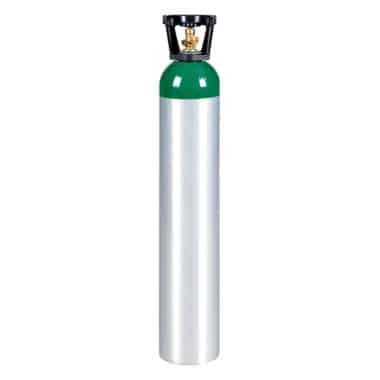
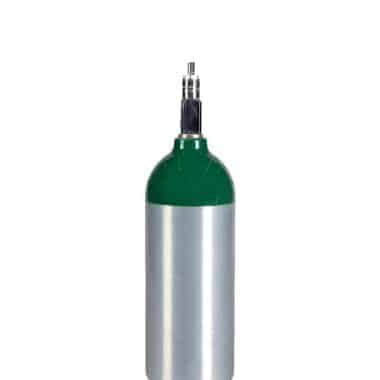
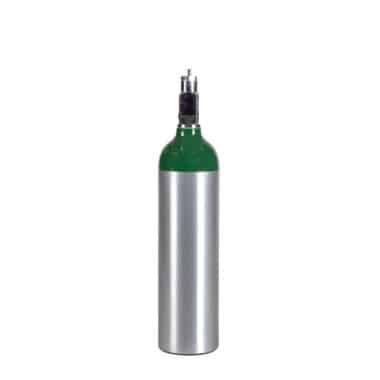
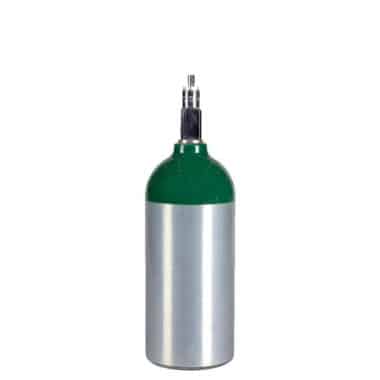
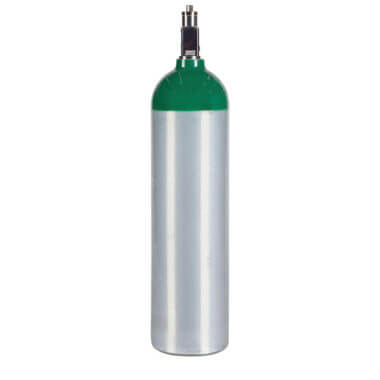
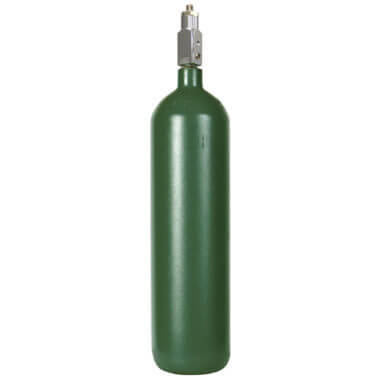
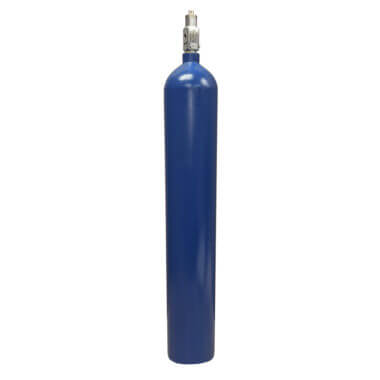
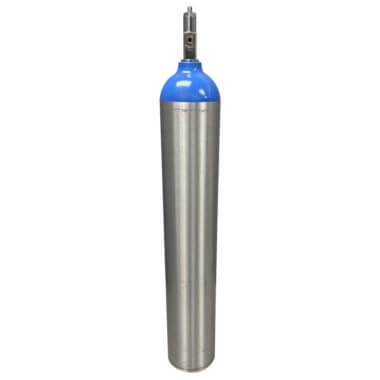
Common medical and dental cylinder sizes include M6, D, and E.
Smaller cylinders are often used for portability, emergency backup, or dental operatories. Larger sizes are preferred for continuous use or higher patient volume.
The appropriate size depends on usage frequency, mobility requirements, and available storage space.
▼How often do medical and dental cylinders need to be recertified?
Medical and dental cylinders require recertification at intervals defined by DOT regulations.
The current test or requalification date is stamped on the cylinder shoulder. Cylinders that are out of test are not compliant and may be refused by medical gas suppliers.
Regular recertification ensures continued safe operation under pressure in healthcare environments.
▼Why buy medical and dental cylinders instead of renting them?
Buying medical and dental cylinders eliminates recurring rental fees and provides long-term cost control.
Ownership allows healthcare providers to manage inventory, inspections, and refills independently. This is especially valuable for private practices and clinics with predictable gas usage.
Purchased cylinders can be integrated into existing compliance and maintenance programs without distributor constraints.
▼Who should buy medical and dental cylinders from Gas Cylinder Source?
Medical and dental cylinders from Gas Cylinder Source are ideal for dental offices, medical clinics, veterinary practices, and home healthcare providers.
They are well-suited for professionals who need compliant, medical-grade cylinders without long-term rental agreements.
Gas Cylinder Source supports both single-cylinder purchases and larger orders, making this category suitable for small practices and growing healthcare organizations alike.