
Oxygen Cylinders
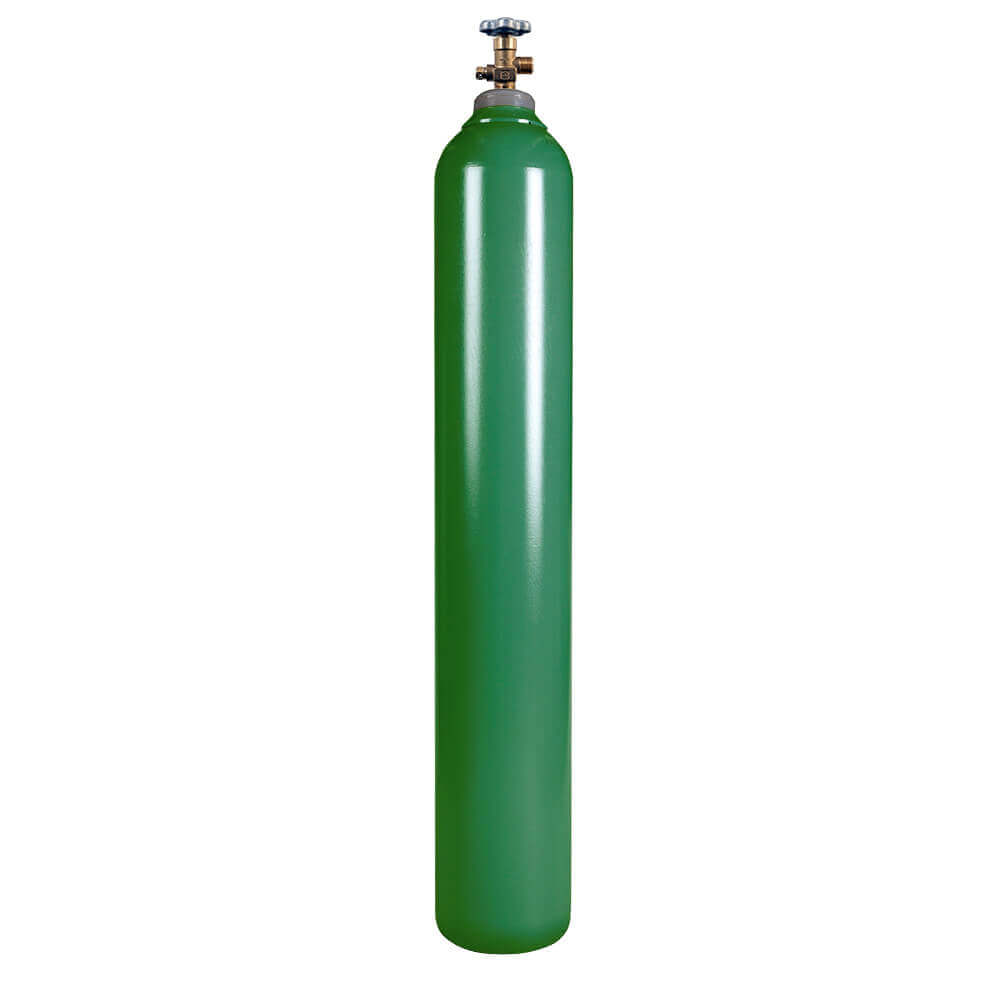
New 150 cuft Steel Oxygen Cylinder
New 250 cuft Steel Oxygen Cylinder
New 300 cuft Steel Oxygen Cylinder
FREQUENTLY ASKED QUESTIONS
▼ What are oxygen cylinders used for?
Oxygen cylinders store and supply oxygen for welding, medical care, industrial processes, and emergency response.
In industrial settings, oxygen is commonly used for oxy-fuel cutting, welding, and metal processing. In medical environments, it supports oxygen therapy and clinical care.
The cylinders in this category are explicitly designed for oxygen service and must be matched to the correct application and valve type.
▼ Do oxygen cylinders ship full or empty?
All oxygen cylinders ship empty.
Shipping filled high-pressure oxygen cylinders is restricted for safety and regulatory reasons. Gas Cylinder Source ships cylinders empty so they can be transported legally and safely nationwide.
Customers must arrange filling with a qualified oxygen supplier appropriate for industrial or medical use.
▼ Are these oxygen cylinders DOT certified?
Yes, all oxygen cylinders sold by Gas Cylinder Source meet current DOT certification requirements.
DOT certification ensures compliance with federal standards for pressure containment, construction, testing, and identification. This certification is required for legal transport and filling in the United States.
Cylinders are either newly manufactured or recently recertified, providing current test dates and reliable service life.
▼ What valve types are used on oxygen cylinders?
Oxygen cylinders use different CGA valve types depending on the application.
Industrial oxygen cylinders typically use CGA-540 valves, while medical oxygen cylinders use CGA-870 post valves. These standards prevent incorrect regulator connections.
Customers should always confirm valve compatibility with their regulators and intended use before purchase.
▼ What is the difference between medical and industrial oxygen cylinders?
Medical and industrial oxygen cylinders differ primarily in valve configuration and regulatory handling.
Medical cylinders use CGA-870 post valves and are intended for clinical delivery equipment. Industrial cylinders use threaded CGA-540 valves, which are designed for welding and industrial regulators.
The oxygen gas itself may be similar, but filling, labeling, and regulatory requirements differ by application.
▼ How much pressure do oxygen cylinders hold?
Most industrial oxygen cylinders are rated for service pressures around 2,200 PSI.
The exact service pressure is stamped on the cylinder and must be matched with a compatible regulator. Larger cylinders hold more oxygen because of their greater internal volume, not because of higher pressure.
Users should always verify pressure ratings before filling or operating.
▼ How often do oxygen cylinders need to be recertified?
Most steel oxygen cylinders require recertification every 10 years, and most aluminum oxygen cylinders every 5 years.
The most current test date is stamped on the cylinder shoulder. Cylinders that are out of test are not compliant and may be refused by filling stations.
Regular recertification ensures the cylinder remains safe for continued high-pressure oxygen service.
▼ Can oxygen cylinders be used for welding and cutting?
Yes, oxygen cylinders are commonly used for welding and cutting applications when configured for industrial use.
They are paired with fuel gases such as acetylene or propane to support oxy-fuel cutting and welding systems. Proper regulator and hose selection is critical.
Only industrial oxygen cylinders with CGA-540 valves should be used for welding applications.
▼ Why buy oxygen cylinders instead of renting them?
Buying oxygen cylinders eliminates recurring rental fees and provides long-term cost control.
Rental programs often become more expensive over time, especially for operations that use multiple cylinders. Ownership allows businesses to manage inventory, refills, and maintenance independently.
Purchased cylinders can be filled by local suppliers, offering flexibility and predictable operating costs.
▼ Who should buy oxygen cylinders from Gas Cylinder Source?
Oxygen cylinders from Gas Cylinder Source are ideal for welding shops, fabrication facilities, medical offices, industrial plants, and emergency service providers.
They are well-suited for organizations that require compliant, professional-grade oxygen storage without long-term rental agreements.
Gas Cylinder Source supports both single-cylinder purchases and bulk orders, making this category suitable for small operators and large organizations alike.