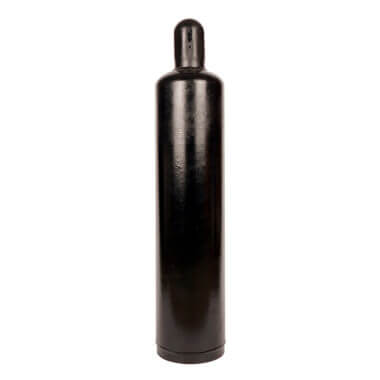
145 Cubic Foot Cylinder

Sale

New 145 cuft Acetylene Steel Cylinder

Original price was: $299.90.Current price is: $289.50.

FREQUENTLY ASKED QUESTIONS

What does #4 mean on an acetylene tank?

The #4 designation is the trade shorthand for the 145 cubic foot acetylene cylinder size, part of a numbering system suppliers use alongside cubic feet. A #4 and a 145 cf acetylene tank are the same cylinder. Smaller sizes carry lower numbers, with the portable MC and B sizes at the bottom of the range.

What acetylene tank sizes are available?

Acetylene cylinders run from the small portable MC and B sizes through 40, 75, 100, and 145 cubic feet, with 145 cf (#4) being the largest commonly stocked size. Larger cylinders mean fewer refill trips but are too heavy to carry and belong on a cart. The gas and its 15 PSI working limit are identical across all sizes.

How long does a 145 cf acetylene cylinder last?

Duration depends on torch tip size and whether the work is cutting, heating, or welding, with heating tips consuming gas fastest. A 145 cf cylinder is chosen by shops doing production work who find smaller bottles emptying weekly. Acetylene also has a maximum safe withdrawal rate, which sets a practical ceiling on how fast it can be drawn.

Why can acetylene only be drawn at a limited rate?

Acetylene is dissolved in acetone inside a porous filler rather than stored as a free compressed gas, and drawing it too quickly pulls acetone out with it. The accepted guidance is to withdraw no more than about one seventh of the cylinder’s capacity per hour. Exceeding that damages equipment and degrades the flame.

Why must an acetylene cylinder always stand upright?

The acetone that stabilises the dissolved acetylene will migrate to the valve if the cylinder lies on its side, and can then be drawn into the hoses and torch. Store, transport, and use acetylene cylinders upright. If one has been laid down, stand it upright for at least an hour before opening the valve.

What is the maximum acetylene working pressure?

Acetylene must never be used above 15 PSI at the torch, because it becomes unstable above that pressure. Acetylene regulators are built with this limit marked on the gauge. The limit is the same on a 145 cf cylinder as on the smallest portable size.

What regulator connection does this acetylene cylinder use?

It uses a CGA510 valve, the standard connection for acetylene in the United States, so it needs an acetylene regulator with a matching CGA510 inlet. The regulator is a separate purchase. Never adapt an oxygen or inert gas regulator to a fuel gas cylinder.

What size oxygen cylinder pairs with a 145 cf acetylene tank?

Cutting consumes oxygen much faster than acetylene, so a 145 cf acetylene cylinder is normally paired with a considerably larger oxygen cylinder such as a 250 or 300 cf. Matching them by equal cubic feet means running out of oxygen repeatedly. A supplier can advise the pairing for a specific torch and duty cycle.

Does the acetylene cylinder ship with gas in it?

No, it ships empty with the CGA510 valve installed. Acetylene is a hazardous material and cannot move by standard carrier, so the cylinder is filled at a local welding gas supplier on arrival.

How should a large acetylene cylinder be stored?

Store it upright and chained or strapped so it cannot fall, with the cap fitted when the regulator is off, in a ventilated area away from heat and ignition sources. Acetylene cylinders must be kept separated from oxygen cylinders in storage by distance or a fire-resistant barrier. Never store acetylene in a confined or unventilated space.