
Steel Tank
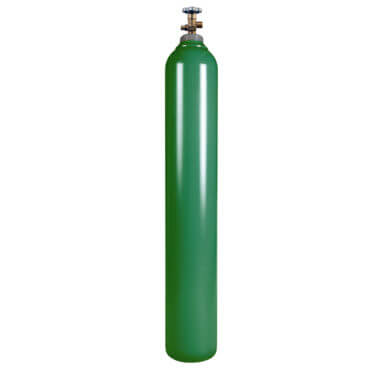
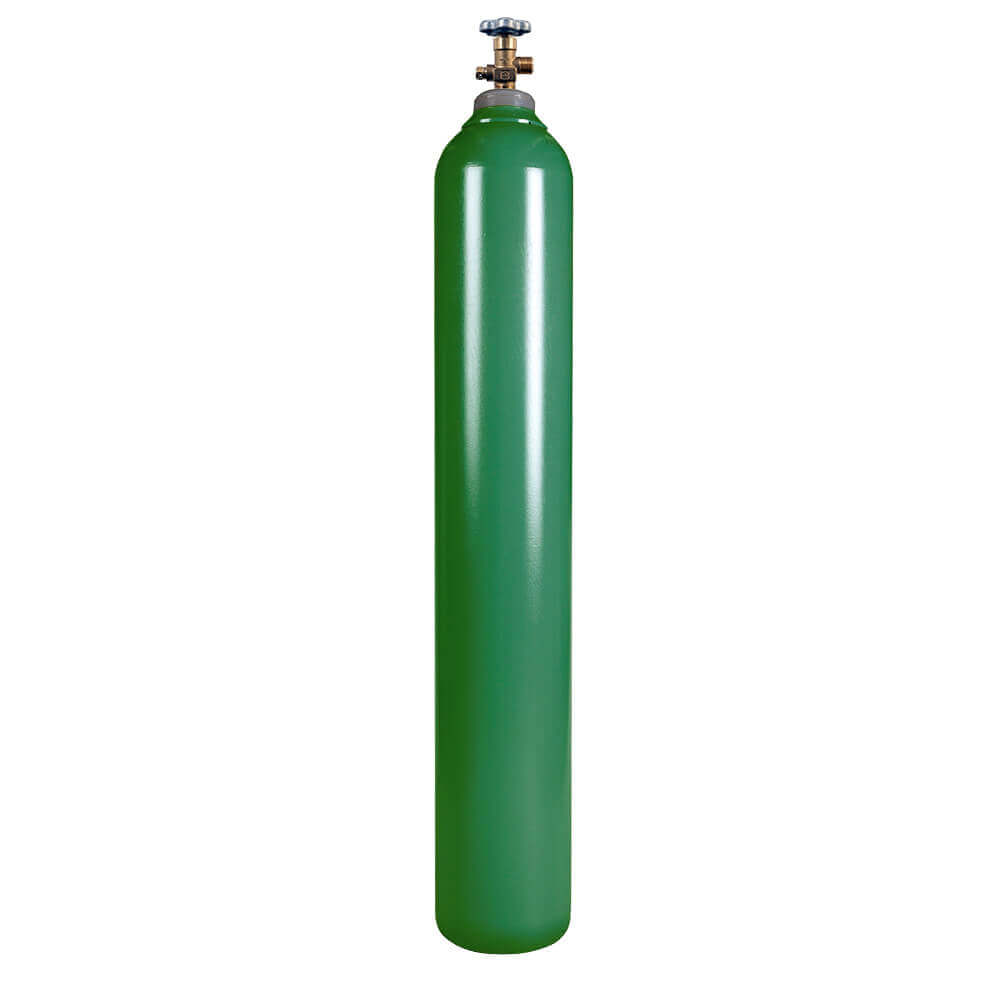
New 150 cuft Steel Oxygen Cylinder
New 250 cuft Steel Nitrous Cylinder
New 250 cuft Steel Oxygen Cylinder
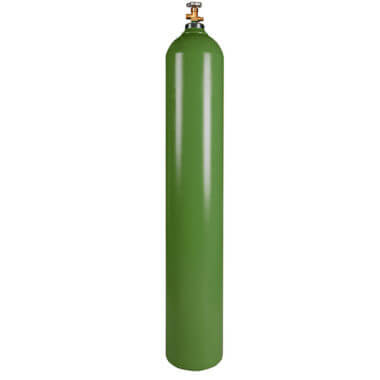
New 300 cuft Steel Oxygen Cylinder
FREQUENTLY ASKED QUESTIONS
▼ What is the Gas Cylinder Source New 125 cuft Steel Oxygen Cylinder used for?
It’s a DOT-approved 125 cu ft steel oxygen cylinder designed for industrial oxygen service, especially welding and metal-cutting workflows.
This cylinder is commonly used anywhere a larger, high-capacity oxygen supply is needed, such as oxy-fuel cutting in fabrication shops and general industrial use. The installed CGA540 valve is the standard outlet for oxygen regulators used in welding and many industrial setups.
Because it is a high-pressure oxygen cylinder, selection and use should follow compressed-gas safety practices, including proper storage and the use of compatible oxygen-rated equipment.
▼ Who should buy a 125 cu ft oxygen cylinder instead of a smaller size?
A 125 cu ft oxygen cylinder is a practical choice for customers who want longer run time between refills in shop or facility environments.
Compared with smaller cylinders, the larger capacity helps reduce refill frequency for higher-use operations like regular cutting or repeated torch work. Gas Cylinder Source lists this as “M” (letter designation), which can help when matching common shop footprints and cart setups.
If portability is the top priority, a smaller cylinder may be easier to move; this 125 cu ft model is better suited to planned, ongoing use.
▼ What are the key specifications of this 125 cu ft oxygen cylinder?
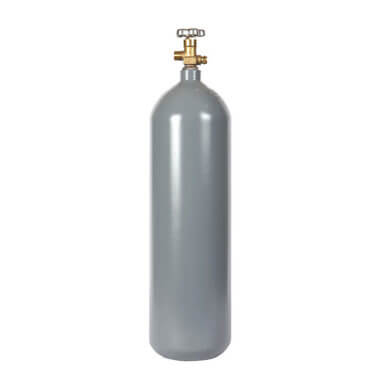
It is a new steel, DOT-approved 125 cu ft oxygen cylinder with a CGA540 valve, 2265 PSI service pressure, and a 7″ diameter footprint.
Gas Cylinder Source lists 7″ diameter x 46″ height (with valve), 58 lb tare weight, 3/4″ NGT thread size, and water capacity 1320 cu in / 21.65 L.
Dimensions can vary slightly among approved manufacturers while still meeting the same DOT requirements, so treat the listed dimensions as typical, not absolute.
▼ What does “DOT stamped” mean on this oxygen cylinder?
“DOT stamped” means the cylinder is manufactured and marked to meet U.S. Department of Transportation cylinder requirements for transport and use in compressed gas service.
DOT markings identify the cylinder specification and confirm it is built for regulated high-pressure service. This matters for safety, transport, and fill acceptance at many gas suppliers.
Always keep markings legible and do not modify or remove required labels, valves, or safety components.
▼ What is the service pressure for this cylinder, and why does it matter?
This cylinder is rated at 2265 PSI (156 bar) service pressure, which is the working pressure used for oxygen fills in this cylinder class.
Service pressure affects regulator compatibility and safe operating limits. Using the correct oxygen regulator (CGA540 inlet) and staying within the cylinder’s rated pressure is essential for safe use.
If you are matching this cylinder to existing regulators or manifolds, confirm they are rated appropriately for oxygen service and pressure.
▼ How heavy is the cylinder when empty, and what should I expect for handling?
The listed tare weight is 58 lb, and the shipped weight is shown at 61 lb, so plan for two-hand handling and proper securing during transport.
A 125 cu ft steel cylinder is manageable in a shop with a cylinder cart, but it is not “lightweight portable” in the way smaller aluminum cylinders can be. The 7″ diameter helps it fit standard cart cradles designed for common industrial cylinders.
Always secure cylinders, protect the valve, and avoid impacts that could damage the valve or shoulder.
▼ Does this oxygen cylinder work with standard oxygen regulators?
Yes, this cylinder ships with a CGA540 oxygen valve, which is the standard connection for many industrial oxygen regulators.
CGA540 is widely used for high-pressure oxygen cylinders in welding and industrial service. Match it with a CGA540 inlet regulator and oxygen-compatible fittings.
Use only oxygen-rated regulators, hoses, and accessories; oxygen service requires clean, oil-free components.
▼ What gases can be filled into this cylinder?
This cylinder is intended for oxygen service and should be filled only by a qualified gas supplier.
Cylinder specifications, valve type, and labeling are designed for a specific gas service. Filling with an incompatible gas is unsafe and may violate regulations or supplier policies.
If your application requires a different gas (argon, nitrogen, or a mix), choose a cylinder configured for that gas and its valve outlet instead.
▼ Is this cylinder suitable for medical oxygen?
The cylinder can be used for medical oxygen only if your gas supplier is willing to fill it for that purpose and you meet the supplier’s requirements, including any prescription requirements.
Gas Cylinder Source notes that a doctor’s prescription is required to fill with medical oxygen, and customers should seek medical guidance for clinical use.
For clinical workflows, confirm local requirements and supplier policies before purchasing to avoid refused fills.
▼ Does the cylinder ship filled with oxygen?
No, Gas Cylinder Source ships cylinders empty for safety and regulatory compliance.
An empty shipment is standard practice for compressed gas cylinders sold online. You will need to arrange filling with a qualified gas supplier who supports oxygen service and this cylinder’s pressure rating.
After filling, follow all applicable storage, transport, and workplace safety practices for oxygen cylinders.
▼ What safety practices are most important for oxygen cylinders like this one?
Use oxygen-clean equipment, keep oil/grease away, and secure the cylinder to prevent tipping or valve damage.
Oxygen accelerates combustion, and contamination with hydrocarbons can create severe hazards. Use only oxygen-rated regulators, hoses, and compatible parts, and keep caps in place when moving or storing the cylinder.
If you are unsure about safe setup, consult your gas supplier or a qualified technician before use.
▼ How recent are the test or manufacture dates on this cylinder?
Gas Cylinder Source states the cylinder is certified or hydro-tested within 12 months and also notes its freshness via a hydro test or a manufacturer’s date within 18 months.
Recent test or manufacture dates maximize usable time before the next required retest interval (which depends on cylinder specification and regulations). This is especially helpful for buyers who want to avoid receiving older cylinders with less remaining retest life.
Always verify the exact markings on the cylinder you receive for your records and compliance program.
▼ What is included with the cylinder?
It includes a new CGA540 valve installed, plus a cap and collar on the cylinder.
Having the valve installed simplifies setup for customers who already have an oxygen regulator and need a ready-to-fill cylinder. The cap and collar help protect the valve during handling and transport.
Regulators, hoses, and gas fills are typically purchased separately.
▼ Can the cylinder color be specified?
Color may vary (grey or green) depending on inventory, and Gas Cylinder Source recommends contacting them if you have a specific need.
Color can matter for standardization in shops and facilities, but it does not change the cylinder’s DOT compliance or performance.
If your program requires a specific color scheme or labeling approach, confirm before ordering.
▼ What applications is this cylinder best suited for?
It is best suited for industrial and welding environments that need a substantial oxygen supply for repeated cutting, heating, or related processes.
Gas Cylinder Source calls out metals-industry use for steel-making and metal-cutting, and notes oxygen can also be used in small percentages as an additive in some welding gas applications.
For steady shop use, the larger capacity helps reduce change-outs; for occasional use, a smaller cylinder may be more convenient.
▼ How does a 125 cu ft oxygen cylinder compare to a 150 cu ft or 300 cu ft cylinder?
A 125 cu ft cylinder is a common “mid-large” shop size that balances capacity with easier handling compared with the largest high-capacity cylinders.
If you need maximum runtime and have stable storage and carting, stepping up to larger sizes can reduce refills further. If you need more frequent transport or tighter storage space, 125 cu ft can be a better fit than very large cylinders.
The best size is driven by oxygen consumption rate, refill logistics, and how often the cylinder must be moved.
▼ Steel vs. aluminum: why choose this steel oxygen cylinder?
Steel is typically chosen for rugged, cost-effective shop use where the cylinder will be stored on a cart or in a fixed location.
Steel cylinders are durable and well suited to industrial environments, while aluminum options are often preferred when lower weight and corrosion resistance are the primary needs.
If your team moves cylinders frequently, consider whether a smaller size or an aluminum option better fits your workflow.
▼ How does this compare to oxygen cylinders offered by traditional suppliers (Airgas/Linde) in the same size?
This cylinder is sold as an owned cylinder that ships empty, while traditional suppliers often pair cylinders with exchange or rental programs and local filling networks.
From a hardware standpoint, 125-size high-pressure oxygen cylinders commonly use CGA540 connections and share a similar physical footprint, but program details (ownership vs. rental, exchange terms, deposits, and local availability) vary by supplier.
If you want to control assets and avoid ongoing rental fees, ownership can be a better fit; if you prioritize exchange convenience, a supplier program may be preferred.