
Acetylene Cylinders
Gas Cylinder Source offers DOT-certified acetylene cylinders designed for safe, reliable fuel gas service in oxy-acetylene welding, cutting, brazing, and heating applications. This category includes commonly used sizes such as MC (20 cu ft), B (40 cu ft), 75 cu ft, and 145 cu ft acetylene cylinders, allowing businesses to select the correct capacity for portable work, shop use, or higher-volume operations.
Explore Further (click here to read more):
All acetylene cylinders sold by Gas Cylinder Source are manufactured or recertified to current DOT standards, equipped with CGA-approved acetylene valves, and prepared for compliant filling by qualified gas suppliers. Unlike rental programs offered by traditional gas distributors, these cylinders are sold outright, helping welding shops, fabrication facilities, and contractors eliminate ongoing cylinder rental fees while maintaining complete control over their equipment assets.
Acetylene cylinders differ from compressed gas cylinders used for oxygen or inert gases. They are internally constructed with a porous mass and solvent system designed to safely stabilize acetylene gas, which is why proper cylinder orientation, handling, and valve selection are critical. Gas Cylinder Source provides cylinders that meet these requirements and clearly specify size, valve type, and intended use to support safe selection.
Whether you need a compact acetylene tank for mobile welding, a mid-size cylinder for fabrication shops, or a larger-capacity cylinder to reduce refill frequency, this category offers compliant options suitable for professional industrial environments across the United States. All cylinders ship empty for safety and regulatory compliance and must be filled by a qualified acetylene gas supplier before use.
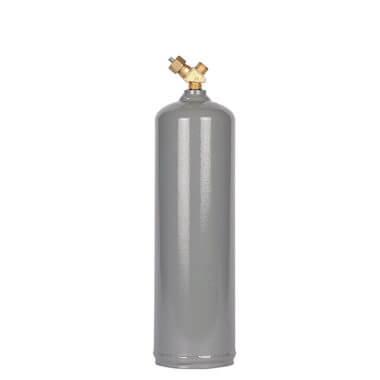
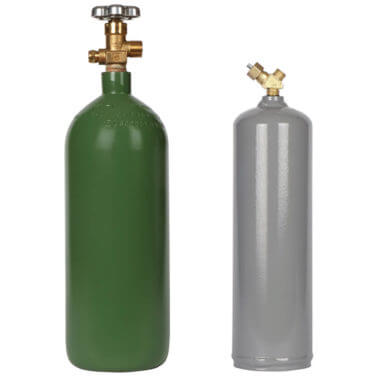
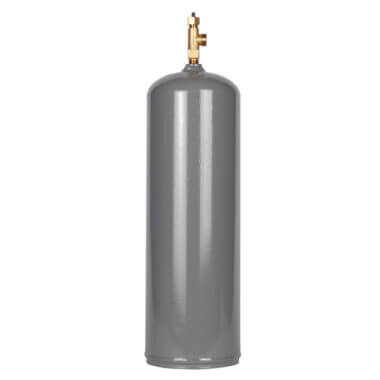
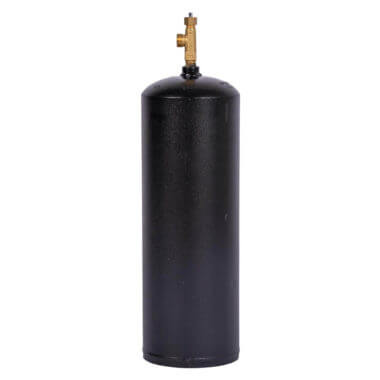
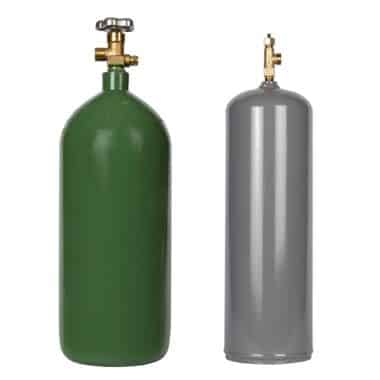
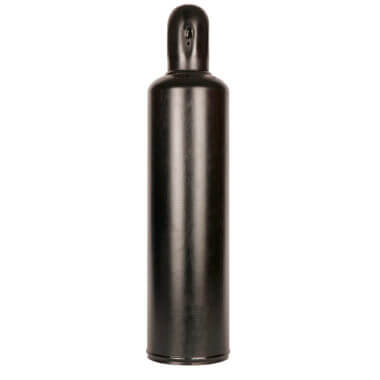
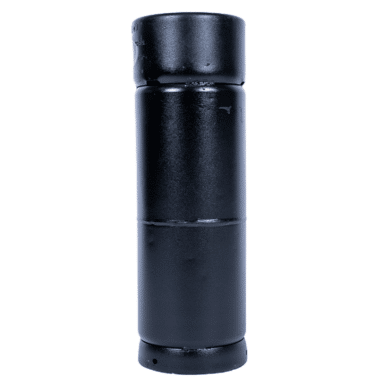
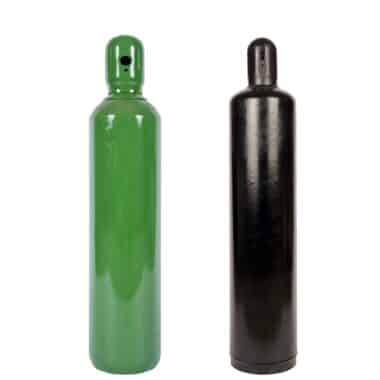
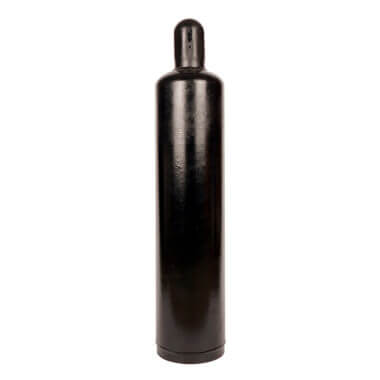
Braze, cut, weld, and more with tough steel acetylene cylinders in industrial sizes. MC steel acetylene cylinder (10 cubic foot). B steel acetylene cylinder (40 cubic foot).
Highly portable acetylene tanks are perfect for oxy-acetylene setups. Similar-sized acetylene cylinders and oxygen cylinders provide everything a tradesman needs for brazing, braze-welding, soldering, cutting, and metal preparation, anywhere, any time. Don’t see the acetylene cylinder you need? Let us know at [email protected].
FREQUENTLY ASKED QUESTIONS
▼ What is an acetylene cylinder used for?
Acetylene cylinders store and supply acetylene gas for welding, cutting, brazing, and industrial heating.
Acetylene is a high-energy fuel gas commonly paired with oxygen in oxy-acetylene systems. Its high flame temperature makes it especially effective for metal cutting and brazing tasks that require precise heat control.
The cylinders in this category are designed specifically for acetylene service, incorporating internal porous material and solvent systems required by industry standards. This construction distinguishes acetylene cylinders from standard compressed-gas cylinders used for oxygen, nitrogen, or argon.
▼ Do acetylene cylinders ship full or empty?
All acetylene cylinders ship empty.
Shipping acetylene cylinders filled is prohibited for safety and regulatory reasons. Gas Cylinder Source ships cylinders empty so they can be legally transported nationwide and safely filled by a qualified local gas supplier.
Customers should arrange filling with a supplier experienced in acetylene service, as proper filling procedures and solvent saturation are critical for safe operation and cylinder longevity
▼ What sizes of acetylene cylinders are available?
Standard acetylene cylinder sizes include MC (20 cu ft), B (40 cu ft), 75 cu ft, and 145 cu ft.
Smaller sizes, such as MC and B cylinders, are typically chosen for portability and light-duty work. In contrast, 75 cu ft and 145 cu ft cylinders are better suited for fabrication shops and higher-volume use.
Selecting the correct size depends on consumption rate, workspace constraints, and the refill frequency that is practical for the operation.
▼ Are these acetylene cylinders DOT compliant?
Yes, all acetylene cylinders sold by Gas Cylinder Source meet current DOT certification requirements.
DOT compliance ensures the cylinder meets federal standards for construction, pressure rating, testing, and identification. This is mandatory for legal transport, filling, and use in the United States.
Cylinders are either newly manufactured or recently recertified, providing customers with current test dates and maximum usable service life.
▼ What valve types are used on acetylene cylinders?
Acetylene cylinders use CGA-standard acetylene valves, typically CGA-510 or CGA-520, depending on cylinder size.
Industry standards govern valve type selection to prevent cross-connection with incompatible gases. Smaller acetylene cylinders commonly use CGA-510 valves, while larger industrial cylinders may use CGA-520.
Customers should verify regulator compatibility with the specific CGA valve when purchasing or installing equipment.
▼ How are acetylene cylinders different from oxygen or inert gas cylinders?
Acetylene cylinders use a porous mass and solvent system rather than storing the gas under simple compression.
Acetylene becomes unstable under pressure if not properly dissolved, which is why these cylinders are internally configured differently from those for oxygen, nitrogen, or argon.
Because of this design, acetylene cylinders must always be handled upright and used in accordance with established safety practices.
▼ Can I lay an acetylene cylinder on its side?
Acetylene cylinders should be stored and used upright.
The internal solvent and porous mass rely on vertical orientation to function correctly. Lying a cylinder on its side can disrupt solvent distribution and create unsafe operating conditions.
If a cylinder has been transported horizontally, it should be stood upright for a sufficient period before use to allow internal components to stabilize.
▼ How often do acetylene cylinders need to be recertified?
Acetylene cylinder recertification intervals vary based on DOT specifications and the cylinder’s manufacturing date.
Unlike standard compressed gas cylinders with fixed 5- or 10-year cycles, acetylene cylinders follow specification-specific testing rules stamped on the cylinder.
Acetylene cylinders require a shell inspection every 10 years. They also require an initial inspection of the porous filler at 5-20 years after manufacture. This test must be conducted between 5 and 20 years from the date of manufacture. The Shell inspection is marked with an ‘S’ and the Porous Fill inspection is marked with an ‘F’.
Customers should always verify the test date markings on the cylinder shoulder and follow local gas supplier requirements.
▼ Why buy acetylene cylinders instead of renting them?
Owning acetylene cylinders eliminates ongoing rental fees and provides complete asset control.
Rental programs from traditional gas suppliers often charge monthly fees that accumulate over time. Purchasing cylinders outright can significantly reduce long-term operating costs, especially for businesses using multiple cylinders.
Ownership also allows customers to manage inventory, rotation, and refill schedules without distributor constraints.
▼ Who should buy acetylene cylinders from Gas Cylinder Source?
These acetylene cylinders are ideal for welding shops, fabrication facilities, maintenance teams, and contractors who want to own their equipment.
They are well-suited for businesses that require compliant, professionally rated cylinders without the cost and complexity of rental agreements.
Gas Cylinder Source supports both single-cylinder purchases and larger volume orders, making this category appropriate for small operators and growing industrial buyers alike.