
Handles & Handwheels
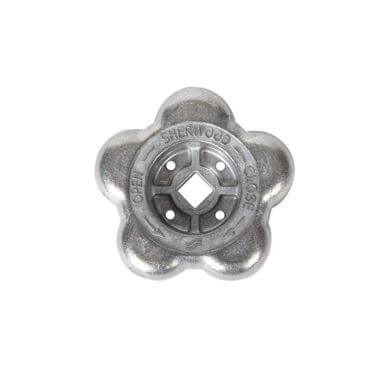
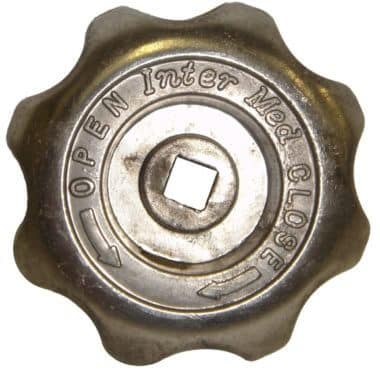
Gas Cylinder Source offers a complete selection of gas cylinder handles and handwheels designed to support safe, controlled valve operation across industrial, medical, laboratory, welding, fire protection, and specialty gas applications. This category includes valve handwheels, operating handles, replacement knobs, and control components compatible with a wide range of cylinder valves and pressure systems.
Explore Further (click here to read more):
Handles and handwheels are critical for precise gas flow control, ergonomic operation, and operator safety. Well-designed control components enable users to open and close cylinder valves smoothly, reduce the risk of over-torquing, and support rapid shutoff in emergency situations. These components are commonly used in new installations, valve replacements, routine maintenance, and compliance-driven repairs.
Selecting the correct handle or handwheel depends on valve type, stem design, pressure rating, material compatibility, and application environment. Gas Cylinder Source supports service technicians, facility managers, gas suppliers, and OEMs who require durable, standards-aligned control components that meet CGA specifications, DOT requirements, OSHA guidance, and manufacturer standards.
All handles and handwheels are intended for professional selection and installation. Proper component matching ensures reliable valve operation, longer service life, and readiness for inspection.
Gas cylinder carry handles for Luxfer, Kidde, Catalina, and threaded gas cylinders.


Luxfer Style Handle Adapter
$16.20



FREQUENTLY ASKED QUESTIONS
▼ What are gas cylinder handles and handwheels used for?
Gas cylinder handles and handwheels are used to manually open and close cylinder valves.
They provide leverage and control for regulating gas flow safely. Proper handles support smooth operation and quick shutoff.
They are essential for safe valve operation.
▼ Are gas cylinder handwheels universal?
Gas cylinder handwheels are not universal.
They vary by valve stem design, size, and manufacturer specifications. Using an incompatible handwheel can affect valve function.
Compatibility must be confirmed before installation.
▼ Who uses gas cylinder handles and handwheels?
Gas cylinder handles and handwheels are used by industrial operators, healthcare facilities, laboratories, and service technicians.
They are also used by gas suppliers and maintenance teams during valve servicing. Professional use is typical.
They support regulated gas environments.
▼ Do handles and handwheels affect gas pressure?
Handles and handwheels do not regulate gas pressure.
They control valve position, while pressure is managed by the cylinder design and regulator. Proper operation supports safe flow control.
Pressure control occurs downstream.
▼ When should a gas cylinder handle be replaced?
A gas cylinder handle should be replaced if it is damaged, cracked, worn, or difficult to operate.
Replacement may also occur during valve refurbishment or as a result of inspection findings. Delayed replacement can affect safety.
Inspection determines replacement needs.
▼ Are handwheels required for all gas cylinders?
Not all gas cylinders use handwheels.
Some valves use different actuation mechanisms depending on application and gas type. Handwheel use depends on valve design.
Valve specifications define requirements.
▼ What materials are gas cylinder handwheels made from?
Gas cylinder handwheels are commonly made from metal alloys or high-strength polymers.
Material selection depends on durability, corrosion resistance, and application environment. Proper materials support long service life.
Material choice aligns with safety standards.
▼ Can damaged handwheels be repaired?
Damaged gas cylinder handwheels are typically replaced rather than repaired.
Replacement ensures proper fit, function, and compliance. Repair is not generally recommended.
Safety standards favor replacement.
▼ Do handles and handwheels affect compliance inspections?
Yes, valve handles and handwheels are often checked during inspections.
Missing, damaged, or improperly installed handles can lead to compliance issues. Proper components demonstrate safe operation.
They support inspection readiness.
▼ Who should buy handles and handwheels from Gas Cylinder Source?
Handles and handwheels from Gas Cylinder Source are intended for professional and industrial users.
They support valve maintenance, refurbishment, and system upgrades across regulated gas applications. Bulk purchasing is common.
Gas Cylinder Source supports both routine maintenance and large-scale operations.