
Oxygen cylinders
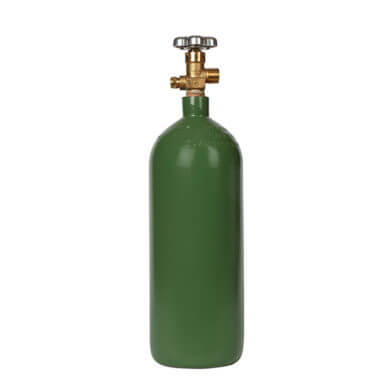
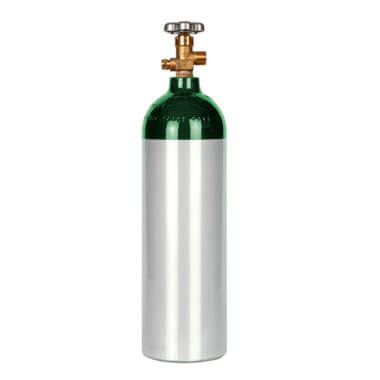
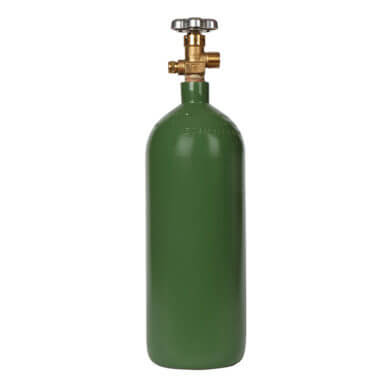
New 40 cuft Steel Oxygen Cylinder
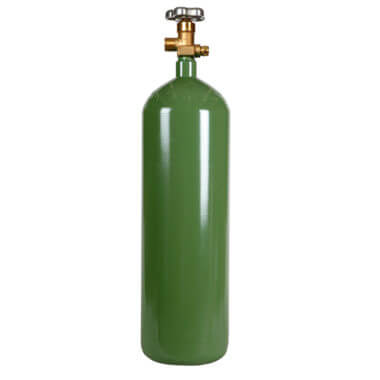
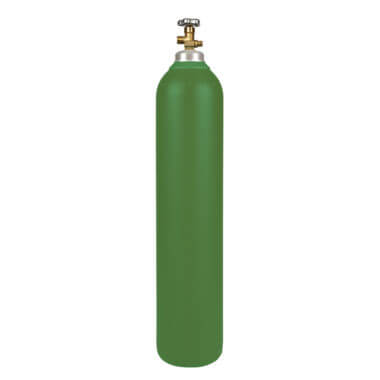
New 80 cuft Steel Oxygen Cylinder
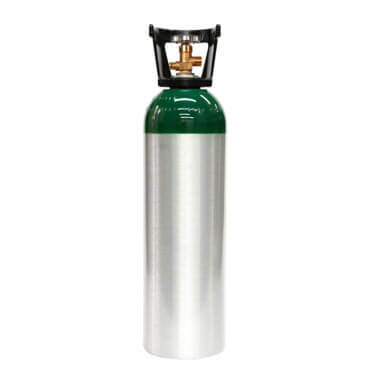
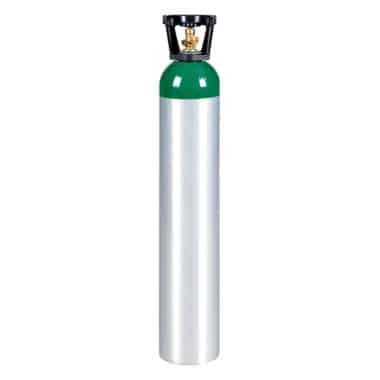
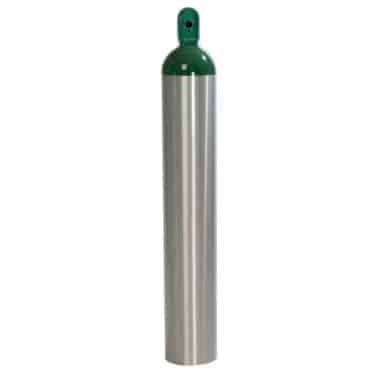
Recertified M150 cuft Aluminum Oxygen Cylinder
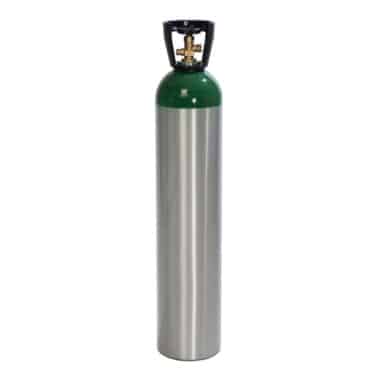
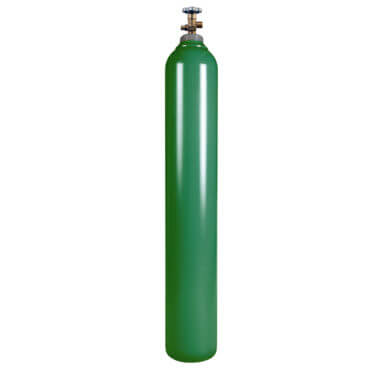
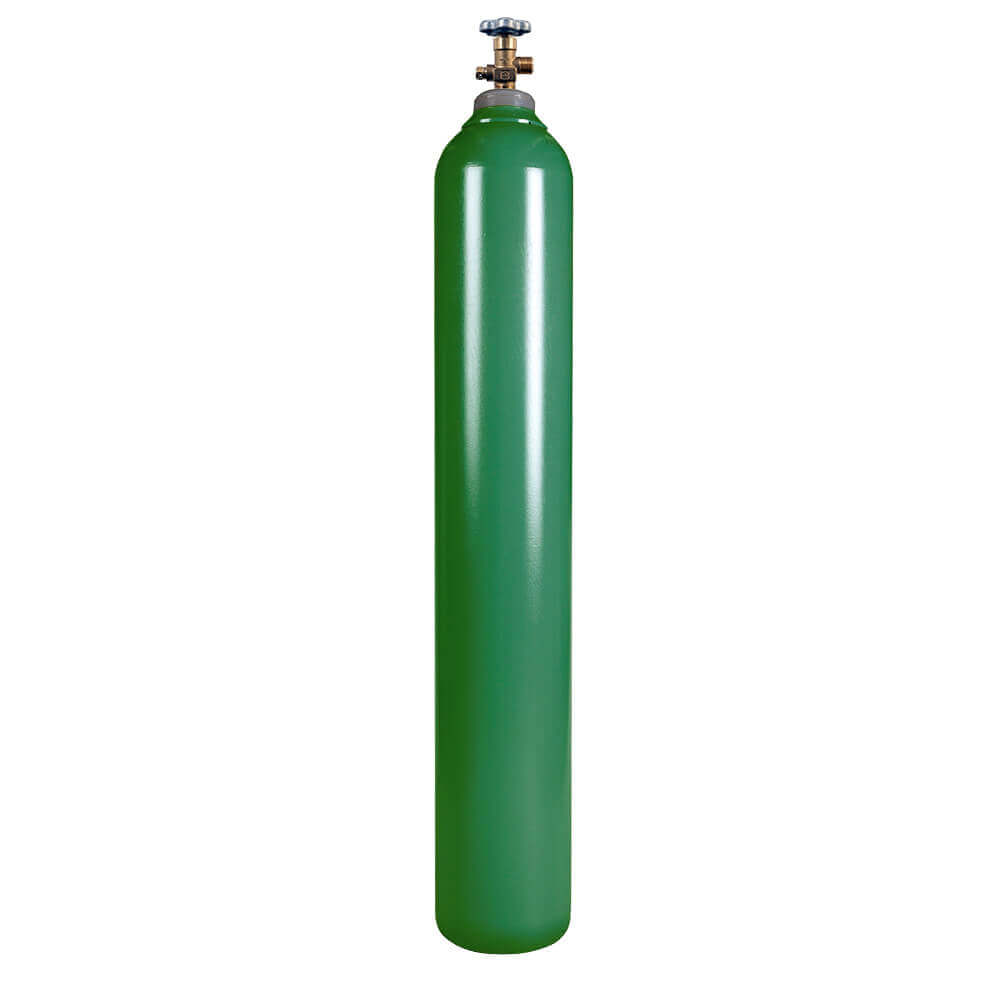
New 150 cuft Steel Oxygen Cylinder
FREQUENTLY ASKED QUESTIONS
▼ What is the 20 cu ft Steel Oxygen Cylinder best used for?
The 20 cu ft steel oxygen cylinder is best suited for light-duty oxygen applications such as small welding jobs, HVAC brazing, and portable oxygen support where a compact, high-pressure cylinder is required.
This cylinder provides approximately 20 cubic feet of oxygen at standard conditions and is commonly paired with small oxy-fuel torch kits. Its compact size makes it practical for mobile technicians, service vehicles, and shops that do not require high-volume oxygen storage.
With a typical DOT-3AA high-pressure steel construction and a CGA540 valve outlet (standard for industrial oxygen), it integrates with most oxygen regulators designed for welding and cutting applications.
▼ Who should use a 20 cu ft oxygen cylinder?
This cylinder is ideal for HVAC technicians, mobile welders, maintenance departments, hobbyists, and small fabrication shops.
Its manageable size and weight make it easy to transport to job sites while still providing sufficient oxygen capacity for brazing copper lines, light cutting, or small repair welds. It is also appropriate as a backup oxygen cylinder in larger shops.
Customers must confirm compatibility with their regulator and intended gas service before use.
▼ What is the service pressure of this cylinder?
This 20 cu ft oxygen cylinder is a high-pressure steel cylinder typically rated at 2015 PSI service pressure under DOT-3AA specifications.
The working pressure allows the cylinder to safely store compressed oxygen in accordance with federal transport guidelines. The DOT-3AA marking indicates seamless steel construction suitable for repeated high-pressure cycles.
Always confirm the stamped service pressure on the cylinder shoulder and ensure the regulator is compatible before connecting equipment.
▼ What valve does this oxygen cylinder use?
The cylinder is equipped with a CGA540 valve outlet, which is the industry standard for industrial oxygen service.
CGA540 valves are designed specifically for oxygen regulators used in welding, cutting, and brazing applications. This prevents cross-connection with incompatible gases and supports safe operation.
Never attempt to modify the valve or use adapters that bypass CGA standards.
▼ How durable is a steel oxygen cylinder compared to aluminum?
Steel oxygen cylinders offer rugged durability and impact resistance, making them well-suited for shop and service environments.
While heavier than aluminum alternatives, steel cylinders typically provide a lower initial cost and strong structural performance. They are often preferred for stationary or vehicle-mounted setups where exposure to corrosion is limited.
For environments with high humidity or frequent transport, customers may consider aluminum for weight reduction and corrosion resistance.
▼ Can this cylinder be used with oxy-acetylene torch kits?
Yes, this cylinder is commonly paired with small acetylene cylinders for oxy-acetylene welding and brazing setups.
Its 20 cu ft capacity is appropriate for light-duty torch work, HVAC line brazing, and minor cutting tasks. For extended cutting operations, a larger oxygen cylinder may reduce the need for refills.
Always ensure oxygen and acetylene cylinders are stored and transported upright and secured.
▼ Is this cylinder suitable for medical oxygen use?
This specific cylinder configuration is designed for industrial oxygen service using a CGA540 valve, not for medical post-valve (CGA870) systems.
Medical oxygen applications require cylinders and valves that meet medical configuration standards. Customers seeking medical oxygen cylinders should select models equipped with CGA870 post or toggle valves.
Consult your oxygen supplier to confirm fill compatibility.
▼ Is the 20 cu ft cylinder portable?
Yes, this cylinder is considered portable due to its compact dimensions and moderate weight.
It is commonly transported in service vehicles and used on job sites. However, as a high-pressure compressed gas cylinder, it must always be secured during transport and stored in accordance with OSHA and DOT guidelines.
Protective valve caps should remain installed when the regulator is not attached.
▼ Does the cylinder meet DOT requirements?
Yes, cylinders are DOT-compliant and manufactured or hydrostatically tested in accordance with current certification guidelines.
Typical markings include DOT-3AA specification and a stamped hydrostatic test date on the cylinder shoulder. Oxygen cylinders generally require hydrostatic testing every 10 years unless otherwise specified.
Customers are responsible for confirming local compliance requirements and ensuring cylinders remain within retest intervals.
▼ Does the cylinder ship full?
No. All cylinders ship empty for safety and regulatory compliance.
Compressed gas cylinders cannot be shipped filled via standard parcel carriers. Customers must have the cylinder filled by a qualified local gas supplier licensed to handle oxygen.
Never attempt to fill a cylinder with a gas for which it is not rated.
▼ How often does this cylinder require hydrostatic testing?
Most high-pressure steel oxygen cylinders require hydrostatic testing every 10 years under DOT guidelines.
The exact retest interval is stamped on the cylinder. Filling a cylinder beyond its test date is unsafe and noncompliant with federal transportation regulations.
Always verify the hydrostatic date upon receipt and before refilling.
▼ What are the advantages of owning this oxygen cylinder instead of renting?
Owning this cylinder eliminates recurring rental or lease fees commonly charged by traditional gas distributors such as Airgas or Linde.
For businesses running multiple cylinders, ownership can significantly reduce long-term operating costs. It also provides greater asset control without ongoing monthly billing.
Customers must coordinate filling with a local supplier, as Gas Cylinder Source does not provide fill services.
▼ How does this compare to larger oxygen cylinders?
The 20 cu ft size prioritizes portability and convenience over extended runtime.
Larger cylinders (such as 40, 80, or 125 cu ft models) reduce refill frequency and are better suited for continuous fabrication work. Smaller cylinders are easier to transport and ideal for mobile technicians.
Selecting the correct size depends on usage frequency and mobility requirements.
▼ What is included with the cylinder?
The cylinder includes the installed CGA540 oxygen valve.
Regulators, hoses, torch kits, and caps may be sold separately unless otherwise specified on the product page. Always review included components before purchase.
▼ Can this cylinder be used for oxygen storage backup?
Yes, this cylinder can serve as a secondary or backup oxygen supply for small shops or service teams.
Its compact size allows convenient storage while remaining ready for connection when needed. Backup cylinders should remain secured, upright, and protected from heat exceeding 125°F.
▼ What should I check when the cylinder arrives?
Upon delivery, inspect the cylinder for visible shipping damage and verify the hydrostatic test date stamped on the shoulder.
Pressure test the cylinder with your regulator before filling to confirm valve integrity. Do not remove or replace the valve, as modification may void return eligibility.
If any concerns arise, contact customer support before use or filling.
▼ Is the 20 cu ft oxygen cylinder sufficient for brazing refrigerant lines?
Yes, this size is commonly used for HVAC brazing work and service calls.
It provides adequate oxygen flow for copper line brazing without the weight of larger shop cylinders. Technicians who perform frequent or high-volume brazing may benefit from stepping up to a larger oxygen capacity to reduce refill trips.
▼ Is this oxygen cylinder appropriate for light fabrication work?
Yes, this cylinder supports light-duty cutting, welding, and repair tasks.
For shops running daily torch operations, larger oxygen cylinders reduce downtime. The 20 cu ft model works well as a supplemental or portable unit within a fabrication environment.
▼ Is this cylinder practical for truck-mounted service setups?
Yes, its compact footprint makes it well-suited for service vehicles.
Steel construction provides durability in transport environments. Always secure the cylinder properly to prevent movement during transit.