
Inert gas cylinders
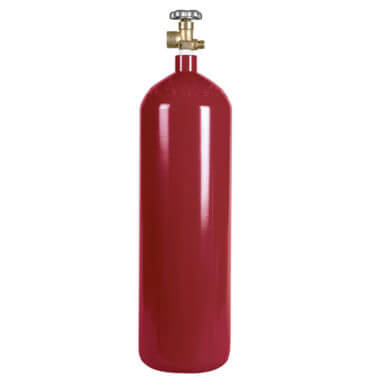
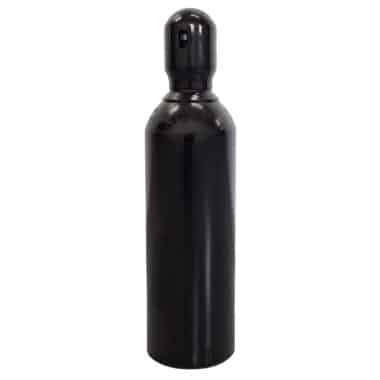
New 60 cuft Steel Nitrogen Cylinder with Cap
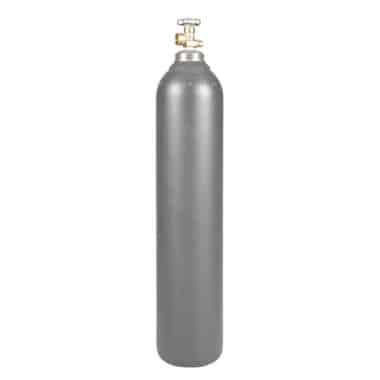
New 80 cuft Steel Argon Cylinder
New 80 cuft Steel CO2 and Nitrogen Mix Cylinder
New 80 cuft Steel Helium Cylinder
New 80 cuft Steel Nitrogen Cylinder
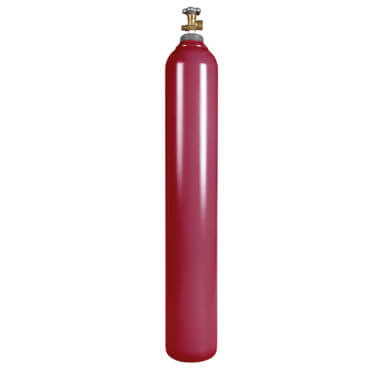
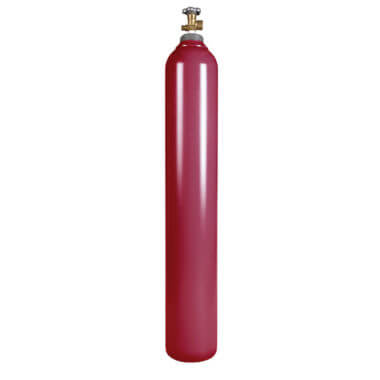
New 150 cuft Steel Argon Cylinder
New 150 cuft Steel Helium Cylinder
FREQUENTLY ASKED QUESTIONS
▼ What is a 60 cu ft nitrogen tank used for?
The 60 cf size covers HVAC pressure testing and brazing purges, beverage and nitro coffee dispensing, laboratory supply, and tyre or shock filling. It is a middle size chosen when a 20 or 23 cf cylinder runs out too often but a full shop bottle is too heavy to move. The gas is the same in every size.
▼ How long does a 60 cf nitrogen cylinder last?
Run time depends entirely on flow rate and whether the gas is used for intermittent testing or continuous purging. Pressure testing consumes very little and can stretch a 60 cf cylinder across many service calls, while continuous purging empties it in hours. Setting the regulator no higher than the job requires is the main way to extend it.
▼ Can this nitrogen cylinder also hold argon or helium?
Yes. The CGA580 valve is the standard inert gas connection, so the same cylinder can be refilled with nitrogen, argon, helium, or an inert mix. Specify the gas when arranging the refill; no change to the cylinder is needed.
▼ Is this cylinder the right size for HVAC brazing?
It is a common choice for HVAC technicians who want fewer refill trips than a 20 cf cylinder allows while still being able to move the bottle between jobs. Technicians working from a fixed van setup often go larger. A high-pressure regulator is required for pressure testing, which is separate from the cylinder choice.
▼ What regulator is needed for a nitrogen tank?
A regulator with a CGA580 inlet is required, and it must be rated for the delivery pressure the job needs. HVAC pressure testing calls for a high-pressure regulator, while beverage and purging applications use a low-pressure one. The regulator is not included.
▼ Is nitrogen the same as compressed air?
No. Compressed air contains oxygen and moisture, both of which cause oxidation and contamination in brazing, food, and laboratory applications. Nitrogen is dry and inert, which is exactly why it is used to purge lines and pressurise systems where air would cause damage.
▼ Where can a 60 cf nitrogen cylinder be refilled?
Welding gas suppliers and industrial gas distributors refill nitrogen cylinders, and because this one is bought outright rather than leased it can be taken to any of them. There are no rental or demurrage charges on an owned cylinder.
▼ Is nitrogen safe to use indoors?
Nitrogen is inert, non-toxic, and non-flammable, but it displaces oxygen, so a large release in a small unventilated space creates an asphyxiation hazard. Normal indoor use with ventilation is routine and safe. Never use nitrogen or any compressed gas to clear dust from clothing or in a confined space.
▼ Does the nitrogen tank ship filled?
No, it ships empty with the CGA580 valve installed. Hazardous materials rules prevent compressed gas moving by standard carrier, so the first fill happens at a local supplier.
▼ What is the difference between a 60 cf and a 40 cf nitrogen cylinder?
The 60 cf holds half again as much gas for a modest increase in height and weight, so it is refilled less often while remaining movable. The 40 cf is slightly easier to handle and store. Neither affects gas quality or delivery pressure, which are set by the regulator.